HG - So Who’s Line Is It Anyway? Recruiter Panel
Show original YouTube description
Show transcript [en]
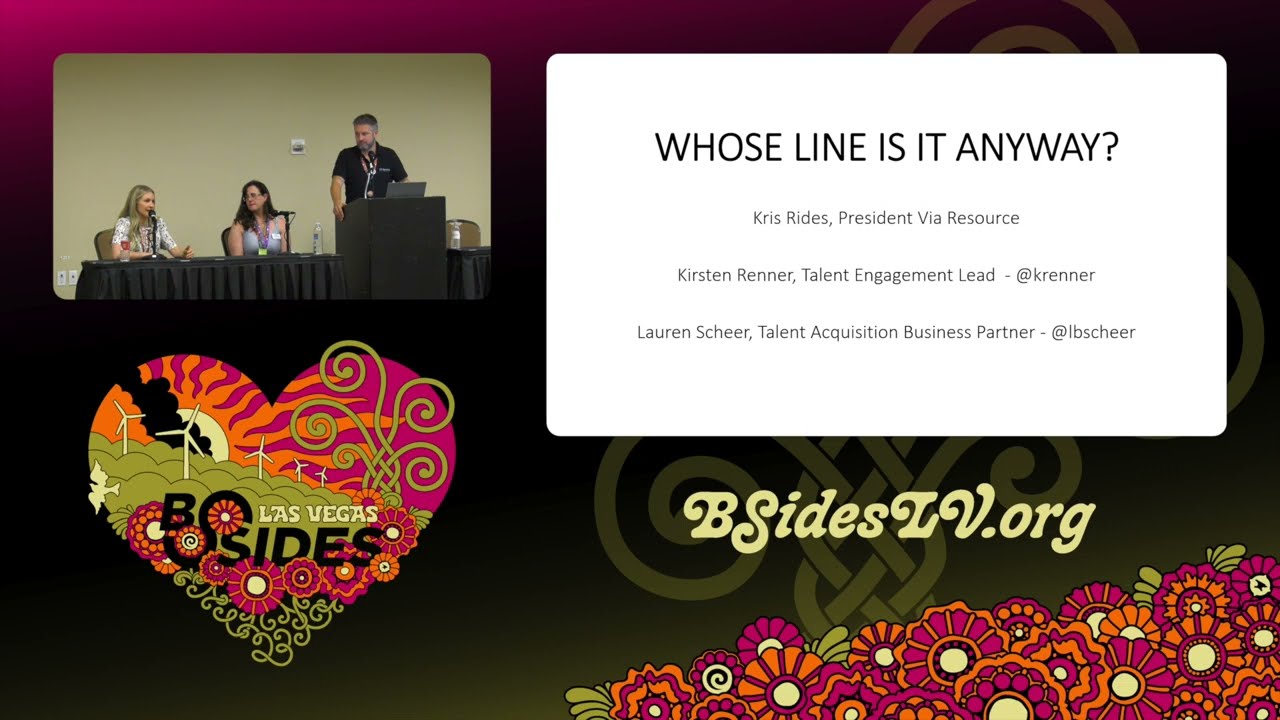
okay so we um we did this talk actually last year with Kathleen as the moderator and me as one of the guests and we get to all switch around I get to be the moderator this time and ask the questions and I've got Kirsten Lauren with me here I'll let them each do an introduction and then I'll blab on in my not Australian accents please keep the accent going it's the most interesting thing we have the most I thought you going to say it's the most interesting thing about me and actually some people do find that so that's okay um yes so ladies off to you all right I'll start with can we all give a shout out to Kathleen Smith who's
not physically with us she's here in love and spirit and Higher Ground is her baby so she's probably watching this so we should like w we love you we love you we miss you okay I am Kirsten rener also known as krer I had cooler handles back in the day but they didn't stick and that's sad uh I've been recruiting for decades and although I'm not currently recruiting I stay very engaged in talent and what makes it work so hope this is a fulfilling for all of you and we'll be here for questions afterwards hello I'm Lauren sheer I had not heard of this conference until about two months ago Kathleen reached out to me so super excited to be here and you
know get to know all of you be a part of this um but I am a talent acquisition business partner which is a fancy name for a recruiter at Aristocrat I've been in recruiting for about seven years now um been in Las Vegas the whole time I'm born and raised and I went to unlb and do you have a nickname no all right so so I challenge you all throughout this discussion to think about what handle we should give her she's this is her first con right you you you you deserve deserve a handle so we're going to figure one out for you by the way she whipped up this slide really quick we showed up without slides
so keep that in mind when Solutions provider there we go um I'm Chris rides I'm the president of via resource that's quite a new title for me actually uh I founded a company called Tyro security about 10 years ago uh Professional Services Company and a cyber security recruitment company I just merged the uh recruiting arm with v that is a British firm uh actually one of my friends started uh back there that's they've been going for 12 years so we merge together we cover the UK Europe Middle East and here in the United States uh I've been involved in the industry for quite a while now uh founded uh the cloud one of the founding directors of
the cloud security Alliance Los Angeles chapter and couple of times been president and been involved with bsides for a long time and some of the other conferences and love it and my nickname actually that nobody uses here is ridy that was it ridy everybody call me ridy and then you know when I'm in trouble with my mom and dad they call me Christopher that's as we all know that's when we know we're in trouble so let's let's jump into the questions uh first things first what is the difference between a direct recruiters and staffing firms Kristen do you want to have a go at this one I'll have a go um excuse me the difference between like an internal
corporate recruiter and a staffing firm yeah um I think and there's going to be out this might be I should have read the questions I'm not g I'm going to try not to go into what I think might be one of the next questions because there's reasons to use both I highly encourage um taking advantage of both but the corporate recruiter is is working obviously directly for the hiring organization whereas the agency recruiter they are uh they are working for multiple hiring organizations right so they're almost like your agent they're like your Jerry Maguire right they are um they're they're your agent they're fighting for you to explore multiple different hiring organizations so hopefully that makes
sense and raise your hand if it doesn't yeah and I can elaborate on that so I'm an in-house recruiter um so I work specifically for Aristocrat so any positions that I'm filling are going to be for Aristocrat right um but we sometimes as recruiters cannot fill positions so we actually use agencies to support our hiring as well um so I have you know a relationship with five different local agencies and I'll reach out to them depending on the type of role I'm filling so sometimes you know when you guys are getting contacted on LinkedIn different things like that email it could be a direct recruit or right from the company but it could also be an agency so if you're ever not sure
you can always look up that company that they're reaching out to you from and find out either way it's a good thing to be contacted yeah why not right keep your options open we're very very selective at Accenture where work about who what agencies we work with and we work with his agency because they're really good so we're getting there thanks for saying that it doesn't come across so well when I just say it about myself right it's true um yeah it's so I've been in on the agency side of recruiting myself uh for it's my 24th year I know what you're thinking Chris you look so young there's no way how could that possibly be yeah
or maybe not got lots of gray hair um but it's really interesting we work with multiple clients as these guys mentioned we we actually find that our best relationships with our best clients are when we've got recruiters internally that we work really well with um and so that's really important if I look at our relationships with our best clients it's ones where the recruiters want us involved they uh we we work together in a partnership we learn about the companies so we're an extension of them um so yeah that's a a big difference you can often ask them and and often they'll tell you as well whether they're working with multiple roles or not um so yes so
there's some differences there uh and then we went on a little bit as to why we why you might use one or another but I think going off onto sort of Outreach like interview processes that's sort of thing can you guys describe what your process looks like in in your businesses so the initial Outreach recruitment interviewing and onboarding practices and I'm happy to share what it looks like from a an external third party recruiter okay um so I'll say like in a perfect world situation as a recruiter so I will post the job I'll work with the hiring manager who could be anywhere from a supervisor manager director VP depends on the level but we always call
them hiring managers um and they will you know give us their qualifications what they're really looking for and that perfect candidate so I go out I look either on LinkedIn if I'm not seeing the Talent come through our application system but if I do see the talent right that's the perfect world scenario um I can find the candidate I need so usually candidates um will be reached out to by a recruiter um they'll have a phone screen which is usually just a 20-minute phone call um from there if confirm qualifications meet salary expectations align um you know all all the boxes are checked then we'll move you forward to a hiring manager interview um that can
either be just very like behavioral focused or sometimes that's really technically focused right we want to check the technical qualifications before then getting you in front of maybe the second round or final rounds where you're meeting with maybe hups or different team members or sometimes we'll do like partners that you'd be working for in the business um so just people you'd be working with basically right we want to make sure you're getting to know the company the culture um understanding what we're really looking for in the perfect candidate but also giving us the opportunity as the business to really get to know you and what you could provide as well um and so all throughout I'd say it depends on the
role right um some positions move really quickly people aren't on vacation we can you know have that perfect process so I'd say anywhere from like when you apply it could be two weeks very very quickly right um but I'd say plan for like an 8we process so similarly uh when the when the hiring team identifies that there's a hiring need they're they're either it's internal on their team internally or it's a customer need the customer comes to them and says here's what I need here's how many positions there are the recruiting team will start doing intake calls with those managers to understand the position now if it's a brand new position they've never done before they have to do an intake to
understand the requirements they want to know all the nooks and crannies every little detail like if I'm doing an intake or one of my recruiters is doing an intake I want to know everything I want to know what the work environment is I want to know what the team looks like I want to know what parking is like I want to know everything about it so I can put it in the in the like sell area of the requisition so we so the recruiter can really speak to the position but then when the recruiter starts sourcing and F and getting in touch with people so there's a big difference between when a recruiter starts to search for the people that
they think meets the requirements and then actually getting in touch with them getting a response from them there could be a huge gap in in between there also uh because we have relationships with agencies we're doing intakes with them too take time to speak with them and so that they understand uh a lot of agencies that are doing I don't know what the term for it is but where they're just like throwing stuff at the wall and they're like uh I'm going out there and and this is this is this is typical that's why they're atypical is those agencies are looking for their shot they're going to look at the company names they're going to look at
their job postings and they're going to start doing searches I call it an unauthorized search right um so it makes sense if you go back to one of her original points when you're the candidate ask uh are you do you work for the hiring organization or not right so just so you know what you're doing and then the recruiters should build a profile for the individual so they shouldn't be just thinking about the job in my mind as a recruiter to do the best job you should not be trying to fill the job you should be speaking to the human being finding out what they really care about what they really want what they really need what really makes them tick
and then you've built a profile for them and then you kind of do some searching for them too there's going to be things that you're aware of or you become made aware of on the recruiting side that before it ever go gets posted or before the requisition ever gets submitted you realize that team XYZ is either going after this big proposal or they just won this new piece of work so you think of that candidate you have such a good relationship with them and you keep them tight in your particular pipeline that you know you know what and you say to them I noticed that you applied for ABC however here's this other thing I
want you to keep in mind or here's this other team that might work good for you so I want the recruiters to and they do take it to the next level and really care about the human and really be actively helping them seek out what would be the best fit for them so the process I can't put a timeline on it because and it sometimes it takes months and it should right because you don't want to be Force fit into the first thing that you check the boxes for you want to be you want to be matched up like as if it were dating not that I have dating experience but if I did I
would imagine that I would want to get matched up with something that's going to last for a long time so no hookups I umum yeah and and and I think well I mean I I don't want to put pressure on on accenta but our last placement with them I think we had an offer uh was like week and a half like we had verbal offer like so things happened really quickly so they can happen super quickly in all sorts of businesses that's impressive yeah that's very fast there you go was that you Drake did you do that problema so things things can happen really quick and he's hiring B yeah sorry Drake in the white
hat um yeah we we like we we have clients with all sorts of uh different lengths from fangs where we are seriously talking about months like nobody's getting a quick job uh at some of those um and then to startups where we're helping to build go to market teams or you we work with cyber security startups so some of those if they're in their early stages seed or series a they might not even have an internal recruiter yet so we we are their internal recruiter and and I can think of one where we sent the resume on a Wednesday they interviewed the person on the Friday uh then they met the person for dinner Saturday and the person had a
written offer on Sunday and send it back Sunday afternoon so things can happen like that is insane I would just say long time in recruitment I don't see that very often but things can happen that quickly um and and so you know you never know when you know you might have been looking for a role for a while and then all of a sudden things can change tomorrow so it's important to it's one of the reasons why it's really important to stay very positive during your job search because things can rapidly change um in terms of the process our process pretty much follows exactly what Lauren and Kirsten have uh have said we we're talking about uh us initially taking the
job description um usually it's uh with a hiring manager and perhaps one of the internal Recruiters on board and we'll go through um because quite often some of the job descriptions that we see uh and what people are actually looking for there might be a little bit of a difference there and so we might ask things like right when you get your very first resume what are the things you're looking for and it's funny how you ask those questions and actually what they're looking for isn't the things that are at the top of the job description necessarily um and so we can find out lots of information by following through little processes like that and getting to try and get in the
minds of of uh different hiring managers we also work a little with the process so we might find out who else is involved in the process um if we get an opportunity to speak to everybody in the process which is rare but if we do it's making sure that everybody's on you know looking at the same uh looking for the same type of person and then one of the key things I always say to people is try and make sure that if it's your process make sure everybody in that process understands what their job is or what their role is in the process you going answer me there like I have a spark my to include um you are
part of the process right you the candidate are part of the process so so I encourage you as you're rolling through the different stages that she was describing to say what can I expect next next and some recruiters uh I was one of the that was very poor at um not dropping the ball not intentionally in my heart I wanted to never drop the ball so don't be afraid to reach out to the recruiter and say I haven't heard should I be concerned right um sometimes it it's it's it's not intentional right it just depends on the volume and it depends on what's happening but if it seems like things are are taking too long uh Reach
Out reach out and and find out and and ask as you're going through the stages that she was describing okay I had this when should I expect to get that next phone call or when should I expect for the offer to to come in my hand probably not on a Sunday most of the time no no yeah and and uh it it is one of those things where like we'll try and like manage your expectations we want you to have a rough understanding so it's not like tomorrow okay what you said last time this this person got an offer you know on a Sunday well where's my offer okay well so it's not always the same so
we try and manage expectations where we can um and and every recruitment even within a a business every recruitment process will will differ a little so hiring managers might have their own processes um as I said they might look for different things on resumés so you just got to be aware that everything kind of can slightly change um and on that to add we are all humans so we do make mistakes right um we generally the people that I know know and respect don't ghost people right if you don't get a message back it's because we didn't see your message in the first place you got to bear in mind that um even uh a year ago when when the market
was really tight in cyber security there was still you know we'd get quite a lot of job um applications and if you're looking for a senior person we'd get quite a lot of job applications from people trying to enter the industry and so that that gives us quite a lot of people to get through and right now uh I think we're probably seeing like a tenfold increase because of people that involved in in you know riffs and been laid off you know they're applying for jobs that maybe they wouldn't typically apply for if they were in a job and so that means that the volume of people applying have gone up and it's much harder to to find the
people in in that big pile of resumés um so I think while we're talking about resumés this might be a good way to maybe dissect you know what great tips you have on uh on writing rums what people should do what they shouldn't do how the at ATS systems may or may not work all of this juicy stuff that people are always busy trying to hack the system right so my biggest thing with resumés is you don't want the recruiter to have to ask a question right so if I'm a recruiter and I have you know 30 applications for a data engineer right I have to go look at every single one of those res reses and see the skills the
years what companies they've been working for on average I always forget I think it's like 45 seconds we look at a resume something close to that um and that's 100% true right like we we meet with the hiring manager during that intake call I get like the five top skills they need the years of experience and that's what I'm looking at a resume I'm not reading every single bullet point I'm looking at the number and what's supposed to be there if it's not there there you don't meet the qualifications and I'm moving forward right so my biggest thing is making sure you have the right information and the way you know that you have the right
information is by looking at the job description before you apply we get so many candidates who just apply and they just see the job title and then when I'm on the phone with them they don't even know what job they're interviewing for which is a really big turnoff so don't do that um but yeah you know read the job description it should say clearly like you need 3 years of experience okay if you have 3 years of experience make sure I can very easily see that on your resume um if you need python make sure that's listed I always love a resume where at the top and I think this might be like controversial but sometimes
people will have a summary at the top they'll have a goal they have they'll have an objective statement I say it's great because it can really highlight hey like I'm a data engineer with four plus years of experience my main skills are XYZ and I'm looking for a new opportunity because X right um that just lays it out for me I don't have to really follow up and ask any questions and you're making my job really easy um so that's my biggest thing right like look at the job description see what it's asking for see if you have those skills and that experience and then make sure it's being shown on your resume um another big thing for me is clear
formatting and that's just again so it's easy to read right make sure your format looks nice things are outlined well it's clear where it's you know you have a education title you have your professional experience title you have your skills like I can easily navigate your resume um and in my opinion we'll see what everybody else thinks but um I like a one-page resume because again it's all right there um some I I've gotten 10 page resumés and it's just like what are we doing right like I don't need your whole life this is way too much um and I'm not going to read it all right um so you want to put as like
much content in a like precise like summarized way um in one page if you can I always say like okay if you're an executive you have years of experience you know you've done a lot you're serving on boards like yes two pages is fine but I don't think a resume should ever be more than two do you agree I do not but that's okay yeah cuz I'm technically not a recruiter um anymore um but everything you said makes absolutely makes sense um I don't want to steal his Thunder Drake's talking at 2 o'cl about Career Development and he has a whole section on rums and he's really good at um helping people rewrite their résumés uh there are services for
writing your rums I don't sorry for people oh I was just about to say sorry if you pay if people pay I I wouldn't pay um but um yeah so I a good recruiter is going to help you redo your resume however one point that she made that is that is very valid and fair is you get resume fatigue you can only read so much right although I'm not going to say this is the the number of pages you should have or you're allowed to have um uh it gets to the point where it's impossible to to limit it to a certain number of pages um you should be ready to customize it per the job every
compliant job wreck has to tell you the difference between what is required and what is preferred so let me say that one more time a compliant job requisition makes it very clear this is required this is preferred so hopefully the employer did that now you know however I also believe there's a way around almost everything right you got to understand enough about what you're looking for that you can speak to your equivalent experience right um I don't want to screw this up and get it technically wrong cuz I um I'm not te super technical but if it I don't know if it says you have to have a spec if it says you have to have
JavaScript but you have Pearl right speak to that right that's just a random example um I think that uh your resume I if you if I said you I could only tell you one thing it starts with one sentence it does not have to be a a dissertation I'm a this and I want to be a that never assume that the person who sees resume because it has to go through layers depending on the size of the organization you may have to get through multiple layers before a recruiter sees it then before a hiring manager sees it and it might even go through some filters on applicant tracking systems most of which by the way are very awful
right so you might have just gotten filtered out because of this stupid technology right so say I am a systems engineer looking to get into a Solutions architect job hard stop now I know now I don't have to try to figure out by looking at the multiple things that you've done over multiple years I wonder what this person wants to do next if you tell me then I'm going to dig a Little Deeper so she said she's not going to read all the pages neither am I but if I know that you want to do the thing I need you to do now I am compelled to read for longer than 3 seconds then 5
seconds then 30 seconds so you're going to customize that you're going to start off with exactly what I want to be and then also keep one more thing in mind that those applicant tracking systems some of them get confused if you put fancy graphics on your resume if you put little boxes around and I've I've made this columns please stop with the columns if you put little squares around it or whatever the more you put in your resume that isn't a letter a character it the the app Contracting system is just going to not understand and it's going to reformat it and then we never see it um I feel like I definitely had something else but I can't remember can
I add something real fast yeah go for it yeah I was just going to say like you know we read them very quickly right we're looking at the qualifications but I do want to say like everything that's on your resume does matter because what's going to happen is if I see you meet the qualifications I'm compelled to keep reading now do you have the preferred do you have those like great things that the hiring manager is also asking for and then if it's a like yes and I think I have a really great resume I'm going to send it to the hiring manager right away and they're going to read probably every bullet and really
learn about your background and be prepared to really dive into that um when you have that so I don't want to you know disregard like all the other content and when you put time into writing those bullets explaining you know the impact you made in your position and what you were doing in your jobs um because that that information is important it's just as a recruiter when we get that resume it's we're really just skimming it yeah I'm going to I'll tell you a story about that cuz I know it upsets people people some people that we don't read the whole of your resume um and I know it's really important to you it's your career um the better your resume is
written the more of it that's going to get read uh I had um I had a security person send me a 55 page resume and I I opened it up yeah that is too much um I opened it up and I was like w okay and so I spoke to them on the phone and I was like yeah dancing around a little bit and I was like okay if you got like another resume cuz a lot of people have more than one resume right you have a general resume you have something that like people sometimes have I've got something that goes through ats's and stuff we'll talk about that in a minute but um and the person
responded said yes I can send it across to you I said brilliant send it across to me and then we'll arrange another call 70 Pages the second resume so yeah this this not a madeup story um and so I had a conversation with them and and the person got really offended and basically said to me if look if the client's not willing to spend the time to read through my resume and understand my experience I don't want to work there to which I said okay I understand and that was the last time we spoke I don't know where they're working um but what I will say is you got to think that you know part of your job May well be writing
reports right being concise being able to put information down that's understandable and if you want to increase your career and move up to Executive levels you got to be able to write executive summaries right so if your resume is this huge long document the first question I would ask as a hiring manager would be can they not do this concisely right can they not get the information across and so I would say that I think onepages are fine if you're early stage uh in your career and and also it's different Industries as well you know if you're a marketing person you might have a much nicer graphy resume it might be a bit different from cyber security point of
view if you've got experience you're going to probably want something that's readable and it's at least two pages I haven't got a huge I don't get hugely upset if it it runs to three two to three is your ideal um ways you can cut that down anything over 10 years ago you probably can just put your job title the place you worked and and the dates you worked and that's enough um I agree with the summary sometimes we for some clients they request that we add a page I know that sounds strange but what we have to do is qualify the candidate in that summary page we summarize how we qualified them why they're looking to
move what are going to be the buttons that are going to get them to make that move um salary you know location all of these sort of things so um and some of the stuff that Lauren talked about in that first sentence covers that and what you want is you want somebody buying into it you're trying to catch their attention so they do spend the extra time so that's just my little sort of tips on on resumés and and and things I think you got to remember a rumes is actually probably doesn't get you the job but it it's designed to get you the interview and that's the key so if you're writing something that that that
works for an ATS has loads of like the random words written or something on it you got to bear in mind that if you if it's successful and It Gets You Through the ATS the first person that reads it is going to be like this is a mess like and not want to spend any more time so you're you're just getting yourself along the process one tiny step but then you're going to cut yourself out of it anyway so just think about it from a hiring manager's point of view I have the job description here I have my resume here would I want to interview myself are there any projects I've done that are relevant just for this job and
as kirston said every time right every time new resume for a job and I know that makes it difficult if you're applying for a lot of jobs but you're much better applying for a lesser amount of jobs and and and sending quality resumés than you are doing it the other way around have one go back uh if you know that what you have on paper looks like it might not be a match but you hope you get the opportunity to explain why you feel you're qualified right you can think of a million examples I would then go to LinkedIn and I would look for you know you can search by title or you could search by name when you look for the
employer that's hiring I would look for people with the title recruiter and I would say I notice you're hiring for this I applied please let me know if there's anything else you need for me something to that effect right um if that doesn't work you could do the same thing with whoever you think might be the hiring manager in that team but but that might be just what you need to get bumped up to get they're going to go maybe even look in the applicant pool that they haven't even had a chance to look at yet and that is also your opportunity to say I noticed you're hiring for ABC which requires blah blah blah uh you're not going to see that on
my resume but here's what you will see or here's what I'd like you to keep in mind keep it short right but that's going to be the trigger to compel them to take a look right so especially if they have something automated set up that is going through the applicant pool and filtering out the people who don't have that keyword that you don't have but you have something equivalent that you want to speak to that is your opportunity to do that in your in a personal message to the recruiting team and and I know in our industry not everybody like loves social media or putting a lot of information on but uh honestly you're you're finding a role
for yourself is much easier if you've got a LinkedIn umow you know whether you whether you like it or not that's just how it is um maybe at some point we'll see people using them completely instead of résumés we've had a couple of clients do that um but it's really rare nobody's doing it really that way yet yeah I was going to say like I know I'm big on the one or two or even three pages for your resume if you want to talk about yourself and you want to put everything you've ever done LinkedIn is 100% that place to do it include your LinkedIn um profile you know URL make sure it's professional at the top and that it
works there's so many times I go click on a link and I'm excited to look at their profile and it doesn't work um but yeah I I Source a lot and Linkedin is the number one place I go to source so we have a thing called LinkedIn recruiter right so that's like the backend side and I can search by location keywords skill sets years of experience University like they're endless right so anything that you're putting on your profile I can search and it's either going to bring you into my search or remove you so the more information you guys can be putting on LinkedIn the more likely you are to be found on LinkedIn as
well and if you want an idea of um how effective that is uh a LinkedIn recruiter if you if any of you sort of had a sales Navigator license or something to allow you to send messages uh recruiter licenses are between 6 and 700 $1 a month for one person and they generally don't do much discounting so if you've got a a big recruitment company with 100 people you're paying 100 times that so if there's that kind of value being put on it that's why they're going to make use of that tool so all right good um have you found some ways that job Seekers don't prepare very well for interviews of course there's some people
that are very prepared and some that are not um where to start so I mean in general we'll say like with a recruiter screen right that's how you're going to get your foot in the door and get that opportunity to talk with the hiring manager do your research on the company whenever I'm talking to hiring managers in that intake meeting I ask them are there any questions you want me to screen them on um other than just the basic qualifications because really that's the purpose of the call for the recruiter is hey do you meet you know are you crazy you're a normal person okay let's proceed right um so I'll always ask like is there anything else
and if it's a leadership role like they might say ask them their leadership style right like how do they lead their teams or how many direct reports have they had um if it's like a data engineer right and they're a really close-knit team and they work really well together like that teamwork is going to be important so they might ask me to kind of dive into their teamwork and how they like working with others um so being prepared to talk about your experience but more importantly about the company and the role and show that you actually read the job description and what it entails and also be prepared to ask questions if I you know as a recruiter
it's my job to make sure you don't really have any questions and I'm setting expectations so I love when they are like oh well you answered all my questions I actually don't have any I'm like cool I did my job but be prepared with questions as easy as why do you like working for the company cool I can always talk about that and it's going to give me the opportunity to get you excited about the position or what's the culture like or what's the hiring manager like what's their leadership style you know how do they work um you can come up with a list of 50 questions if you really wanted so when people tell
me they don't have any questions I automatically think you're not actually interested or really care about this role and I get the same feedback from my hiring managers if a candidate doesn't ask questions at the end they're like I don't think they really care about this opportunity they didn't ask me anything I'm like okay um another thing with preparation I know Zoom like right video calls or video interviews are really really big um I always get feedback like oh they were sitting in their car on their phone I'm like oh like that stinks they really didn't take the time to prepare find a quiet space so that there were no distractions um so it's it's all
the things right it's how you're talking how you're preparing for it but also your setting what are you wearing you know everything you're doing is showing the person how much you care about the role um and then that like smiling is important right you want to smile it makes them smile and um yeah I think I think that's it I'll hand it over okay um I hope I remember everything uh a couple things I just just a just a side point uh there are people who work in specific work locations where uh going to the car is the only choice they have um there's also situations where they can't get on camera I coach my managers
to understand that a it might be because of the limitations within their work environment and or they should be if they're not comfortable getting on camera this is super controversial opinion via Kirsten do not Jud what could you possibly as a hiring manager ascertain from physically seeing someone in my opinion no Bonafide occupational qualification can be measured by what you look like if you're not comfortable that's okay with me and I coach my managers to get over it that's just me and plus I literally have people who work for customers where the best they can do is is take a train to a shuttle to a car to a parking lot to talk for five minutes on their phone and that's
the best they can do I just wanted to make that I do understand that that's a thing um and I I I'm highly supportive um of the neuro Divergent Community as well that may very well just need it to be a certain kind of way for them and you should accommodate that managers should accommodate that sorry I just got like a little emotional um about that so um I got can I ask you a question of would you agree though that as the candidate like it's your job to set that expectation right so I mean if a candidate ever said like hey I don't feel comfortable being on camera i' say okay cool thank you for letting me know
I'll let the hiring manager know and we'd continue in that process but I think if you were to just like it's setting expectations I guess right and presenting yeah it goes both ways right so she as the recruiter or you as the candidate are going to let each other know so that no bad assumptions are made right just let each other know it take you know it's it's a personal situation Let each other know um I love that she talked to Lauren talked about questions questions are important I think that you the candidate should take that opportunity and we'll talk about this more at 2 o'clock but take that opportunity when you are offered questions to turn the
conversation into a personal conversation that you're having this may be the most important revealing part of all the interviews that take place particularly with the managers more than the recruiters this is when you're going to say what did what have you learned why did you choose to work here and also especially especially important uh I heard someone say something with regard to managers it's not their job to promote people I personally believe and I learned this in um manager going into a manager role and then an executive role that that my most important job is to promote the people under me literally nothing else matters and I and and you got to give me one quick second I'm
sorry timer guy um there was a time when I when I rolled in and I was trying to impress my boss and we were looking for a I don't know we were looking for an elastic engineer we were looking for something nobody could find and my team couldn't do it sorry buddy and I walked in uh and I was like guess who found an elastic engineer and he goes and I thought I was he was going to go you are so amazing and he goes that's not your job I was like damn but it isn't my job it is not the manager's job ever to take credit for anything and their greatest responsibility all the way up the chain
is to lift up their team so ask those people on the hiring team who they have promoted and what opportunities they have created that's very important for you as a candidate to figure out can I grow in this place in my opinion yeah I agree that's I mean that's good management and hopefully you rely on the fact that good managers see that about you right they see that the people below you are doing really well and they don't think it's that they're doing amazingly well is that you're managing that process really well um so yeah I absolutely agree and and the other thing I would say is you you can only control yourselves right so if you're a hiring
manager you can't control whether the candidate turns the camera on or not right so um you have to deal with your feelings right how do I feel about this and likewise if you're a cand that you can't control how the manager is going to feel about you having your camera on and off so so manage the process yourself so we set things up when we have conversations um with our candidates we'll prepare them for the interview and part of that will be right are you comfortable uh being on a video call if you wish to have your camera off ideally we we know that in advance we can tell the client that but also we
like our candidates to approach the subject oh just so you know I'm doing this or I'm like I couldn't get any time off work so I've like I've come out in my lunch break oh wow it turns from this person couldn't make the effort to to find someone somewhere you know in a office or something to wow this person is going to spend the whole of their lunch break talking to me instead of going and getting a sandwich right so you can control that narrative but you can only control what you can control so right You' got to do you haven't man but you if if you have you understand yeah just communicate it is that what you
were saying sorry yeah I just interrupted you that's okay it's all right we've known each other for a long time we do that um so two minutes left which means we got two minutes for questions does anybody have questions please
people okay so this gentleman was asking about bullet points on a resume what works better Lauren Kristen um for bullet points yes have your bullet points explain what you've been doing the impact you've made I always say if it's a like we'll say like a waiter right don't put in your bullet points exactly what you do because I know what a waiter does already most people know right they're greeting customers seating people things like that so write what I don't know about you and what you did use those bullets to your advantage and put like those those achievements right the impacts that you've made um but yeah I always say also most prevalent right like whatever job you have that's most
prevalent do more bullets in those areas if it's not as relevant to the position you're applying for keep it like at three can you repeat the question real quick oh uh what is your feelings on bullet points versus like putting words and commas to save space on it okay uh I think like Lauren said uh you're if remember if you're customizing it per the job you're comparing it to what what's being required and you're kind of making doing a matching game between what's required in the job description and what you want to make sure that you highlight and then another really important point that Chris made uh as you start to get to the point where it's
too many pages hope we never get to 17 or 55 um but that's when you like if you're old as dirt like me I get you know if it was over 20 years ago I just all I do is list a date range like these I even have a section on my resume that says consulted and I don't even list all the companies I consulted with you know so you're going to talk about the things that are most relevant and uh as she stated and uh most recent yeah what is what is the panel's opinion on like you said previously that you want your resume like you only want to apply for jobs that you are qualified
for how does the panel feel about that when I have heard a lot of people including recruiters say if you meet like 60% of what's on the job description just go ahead and apply uh I'll take that um there are some things that we that we don't have flexibility with so customer XYZ says these are the requirements you know um they have to have this certification or they don't this is the part where the recruit is going to notice that you're close have a conversation with you and be able to speak on your behalf and say things like in the process of obtaining Security Plus which is a requirement in fact there are moments in the
negotiation process where you have been deemed capable of the skills but you don't have the certification that the customer requires and your offer could then say uh offer you know contingent upon obtaining such and thus a certification within a certain period of time and the organization will help you with that so it's going to come down to the conversation the intake that you know you're talking to Lauren and she says uh and she'll let the hiring manager know too because she's working on your behalf she's going to say although James does not yet have this thing that is required he's taking his boot camp to get the thing does that make sense yeah and you can also put
Alternatives so if you got a job description that says uh we we it's desirable to have somebody with Splunk you might want to put well I've not used Splunk but I've used arite or you know I've used I'm experience with I've got four years experience with another Sim um something like that so that shows okay it's probably not going to take too long for you to pick this up now there may be other ones that say you absolutely must have Splunk in that case I mean you can still apply but you just have to understand that that might be a definitive like we have one customer that has a really complex uh Splunk integration and they just it's too much
of a jump for people to come if they've got no experience of it at all um and so for them it's like a hard yes or no right if you've got it then we'll consider if you haven't you haven't so yeah I would say you can absolutely apply but just manage your own expectations uh think people get upset that they're like well I had 70% of what was on there but you had the 70% that was desirable and not the essential th this is also your chance to do that LinkedIn note thing or a cover letter or a cover you know paragraph that says notice that I don't have this working on that or I have this
equivalent thing right especially if it's a note to the recruiter I mean as a recruiter would you agree if somebody yeah uh this is your opportunity to say please note I don't have this thing I'm aware so it doesn't look like you weren't paying attention I'm aware that you need this here's why we should have a conversation and we will try and read all of them it's like you know we we get a lot of messages so again if you don't get the answer the first time don't give up try two or three times you know things slip through gaps easily I think one last question um I've noticed in you guys talked you've talked a lot about resumés
and the recruiting process and whatnot one thing that wasn't specifically addressed very very much was compensation and I know nobody likes to talk about money but where do you talk about money in this process and how do you all like to breach that subject yeah I'm I think this is more common now especially in the US but um first step right so I don't want to waste my time as a recruiter and put you through the end right if you go through three phases we've had four weeks of interviewing and then I go to give you an offer and I offer you 100,000 and you wanted 150 like what were we doing right so for me I'm like the second I get a
chance to talk to you I'm going to check your expectations um sometimes I'll even just send an email and say hey this is our range does this meet yes it does okay let's Now set up a call because sometimes even it's a waste of my time to sit and set up a call chat for 10 minutes and then find out it just depends on the recruiter though and their volume like sometimes I have 20 positions I'm talking to 40 candidates 50 candidates a week an email is easier to check that but you know it should be in the very beginning of your your process um so I I know Drake's going to talk about negotiation um there's a lot
of things to keep in mind it's not it doesn't come down just to a number there's a lot of other things to keep in mind with the benefits with the training and so forth that I want you to keep you know keep that keep flexible with that right there's also and I'm not going to get it right there's some kind of new legislation where companies are supposed to put the salary ranges on the job description however um be leery of that and here's what I'm saying they're never going to put a salary amount on there that they're not willing to pay however it what they put on there um I hope I say this right it
it might not even come close to what you can negotiate okay not on purpose they're not being shady they're not being weird but they might I think it's I really think it's State Bound it's how the it's how the system is even set up so like for Aristocrat when I enter in like a specific what we call like a job profile associated with the job right it's going to come up with a range we'll say like literally 80,000 to 150,000 and then on top of that when it gets posted externally for you to see as a candidate it's also including the bonus and we do a annual bonus so a candidate will like when when you apply
for Aristocrat we actually ask like what are your salary expectations so I know even before I talk to you A lot of the times it's like $20,000 higher and when I talk to the candidate they're like oh I just thought this job paid more and then I have to explain it right so like I hate our system because it does that and it is misleading to candidates so just keep that in mind but yes it's going to be usually if you see a range the lower to like midrange um I I think it's called the transparency act or something but it but it is okay pay transparency act got it okay you're supposed to mouth the
answers to me when I can't think but um but pay transparency Act is is the companies are have to give you and it is it's location based yeah okay right right yeah it's location based I'm I'm trying to tell you not to be afraid in in my experience the range is never going to be um higher than what you can expect but sometimes it's lower because it's not taking in to a lot of factors uh to include if the job posting is tied to whatever location you had to put into your applicant tracking system but it could be Colorado Springs but we'll let somebody from New York do it remotely that's something you're only going to
find out when you have the conversation with the recruiter plus it's not including in our case sign on bonuses you know of up to $20,000 holy crap that's not in they'll range because it's tied to the location they're they're uh it's it's automated we don't even get to decide what we're putting in there so if you look at it and it even comes close start having the conversation everything's negotiable yeah and and just uh I guess to sort of tie it off obviously I work across multiple clients that do compensation in a way different you know from startups that give you Equity to companies that don't do bonuses and just bases um like there there are different ways
of doing it now just there's a good explanation recruiters aren't Human Resources people there's a we're very different a lot of people think that we're HR people we're not um we might form part of the HR team um but we're not HR people so I I don't know the legal rules and regulations around that stuff but he's a boss he doesn't care he do what we're told I say whatever yeah but but um what I will say is some companies include bonuses in those numbers some don't as Kiren already said some companies are giving it a wide range where you know if you're in San Francisco you may be able to get the top of the range whereas you know if you're
somewhere else you may be able to get lower now I'm saying that not because I'm not judging whether you can do the job or not right you should all get paid the same that's not my point um my point with it really is that if you go in and you see that advertised and you think like a lot of people do let's not leave any money on the table right it can go up $152,300 oh guess what I'm going to put I'm looking for $152,300 right and the truth is that they could look at where you are they could look at other factors and you might actually get rejected and never get a chance to get a
phone call so just be aware of that if you ultimately going to put yourself at the top and and don't me Rong if you were looking for 170 but you take that then put yourself at the top but if you're looking for somewhere in between work it out be honest with you and as you go through the process you might be able to negotiate a bit more on where you at you said something very important that I that I want to kind of just highlight um another you're thinking about the cost of benefits and you're thinking about the 401K matching and you're thinking about the training budgets and whether or not they're going to send you to bides and pay for it and
stuff like that all matters but you mentioned Equity um some you know our company has a thing where you can um you can get a discount on purchasing stocks that's huge depending on where you are in your life Journey you care more about things like that there's companies that have esops and esps that's also very important um and people need to keep that in mind too so there's things that are bigger um there's sign on bonuses there's shares there's a lot of uh different benefits make sure you're having that conversation too so the the salary amount good question it's just a ball that's just a starting point right yeah get it in get it in early and if
you want to soften up that that talking about which some people feel it's easier to soften it up a bit you know just going Direct in right and how much is this paying and I'm looking for this can sometimes can feel a bit aggressive so um it's not aggressive it's something that you have to do you can practice soften it up so it might be like I'm really driven by this job because I've always wanted to work for Accenture Federal Services right um I'm a really big fan of Buffalo the casino game I want to work for Aros scrap right so you can soften out by giving them reasons other than money that you want to work there but
then then go into it because it's one of the key things so there are ways you can soften out but make sure you have the the question early cuz as much as it it might waste our time with the h time it wastes your time you could be interviewing somewhere else that is going to pay you what you want so just bear that in mind and you know how you phrase your answer start with these words here's the other offers I'm seeing there we go then then you're a star thank you sorry on do you have more time make a joke about myself no we're good you should do it do it so we got
Dre Conor 2 he's going to talk about recruitment related stuff you should definitely come back and see that hey you should definitely hang about until 2:00 who needs lunch right just hang out um that would be amazing if anybody's going to Defcon I've had the pleasure of talking a village once but somebody on this stage is going to be talking on the main stage her not me don't Heckle me please I'm so nervous um thank you very much Kirsten thank you very much Lauren you're both absolute Stars I appreciate your time
Related talks
 35:08
35:08 48:22
48:22 59:59
59:59 1:10:21
 26:49
26:49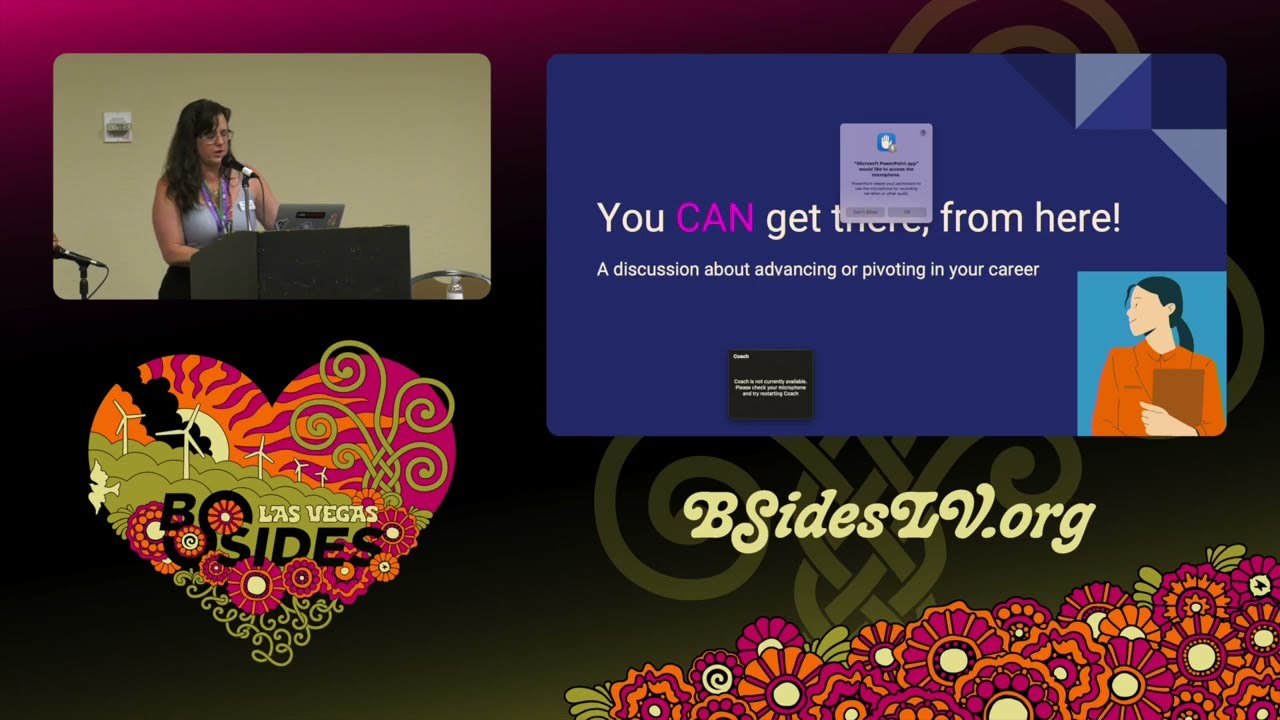 47:23
47:23