Getting Your First Job in Cybersecurity
Show transcript [en]
[Music]
[Music] awesome so we will get started firstly jambo namaste konichiwa bonjou and greetings to all of you happy friday and as you see from the chat and what far has said uh for some it's already saturday so whatever day you're on welcome what an amazing day too at b-sides calgary we're probably one of the last sessions before the end keynote so thank you to the audience for joining us on our topic getting your first job in cyber security in terms of agenda we're going to make this a little bit interactive as we have a fireside chat and there is a prize for participation as we have kahoot so please stay on until the end selena if you don't
mind moving to the next slide one of the prizes is a signed copy of my book the rise of the cyber women volume 2. so let's get started um with a bit of introduction on my side and when we begin the fireside chat that's when i'm going to get pharah and selena to introduce themselves my network knows me as a change maker i am a change agent i've dedicated my entire career to breaking down barriers and boundaries for underrepresented groups in stem and in leadership and have done this to stand out to lead through she sharing her empowerment and recess western canada affiliate the impact has been phenomenal i've seen great change that's taking place it's always rewarding when
you see you know someone's been placed into a position or into a role who's been trying to get into this uh industry now only thing i'd like to add is while change is taking place we need everyone's involvement to accelerate change so i was honored for my contribution in the cyber security industry by being named as one of the top 20 women in canada and this inspired me to share my journey in the book that i mentioned previously so i'm author i love speaking engagements but more importantly i like challenging the status quo i'm on the os vancouver board and i was recently appointed as a board advisor at observe id which is a leader in sim
and i'm proud to share that both boards have a 50 gender representation on the board currently work for bug crowd and as you can see all the different pictures of the flags i live and i've worked in three different continents outside of work i enjoy cooking you can see me making my roti and i also ride my motorcycle so that's a little bit about me so some context in terms of what we're going to talk about is if we look at what's happened it's been 18 months since the world went to shut down i remember my last trip to was actually to calgary on march 5th last year and from my personal experience i can
tell you this has been a bumpy ride i've seen so many individuals lose their jobs and at the same time i've seen new opportunities created as organizations are finding new ways to conduct their business in 2019 according to some research we needed an additional 4 million to fill the gap since the pandemic that's changed an article from infosec magazine showed that the cyber security skills shortage fell from 4.1 million down to 3.2 million 56 percent of respondents said that their organizations are at risk due to cyber security staff shortages and last year we shared the three of us we shared our viewpoints as we believe there isn't a skill shortage the cyber security industry needs you
we need a diverse talent to join us because we need an army to help us fight against the adversary this year i've seen so many individuals reach out to me on linkedin asking for help as they haven't been successful in getting an interview or landing a job in cyber security and i've seen all sorts of reasons these are some of the ones that i've highlighted from technical skills to experience and while this is frustrating i can share with you that many of us have experienced this and you'll get you'll get to hear from the panel on how they've overcome these barriers so let's start off with introductions and this is where i'm going to open up
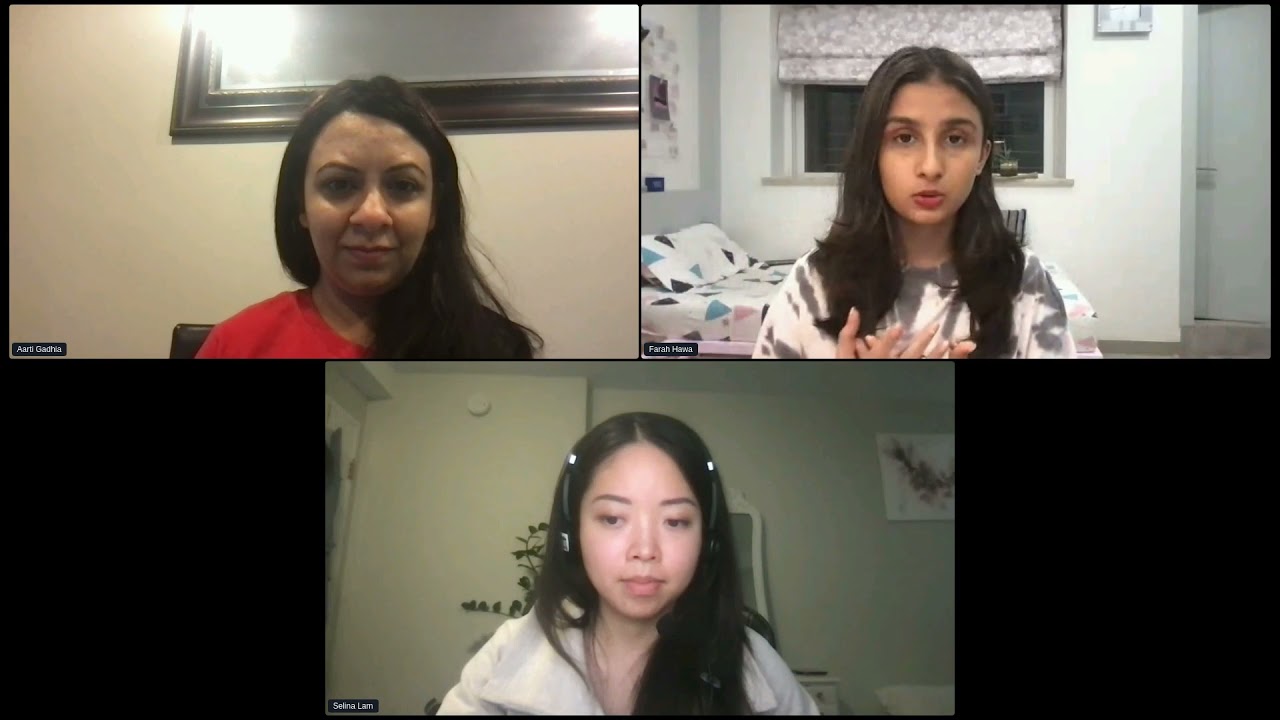
to the fireside's chat first let's start off with selena you're local here in vancouver so perhaps if you can introduce yourself further yeah thanks artie so hi everyone i'm selina i am canadian born chinese so growing up my family actually had a series of chain of restaurants and unlike artie i cannot cook i just make the orders and my parents or the chefs cook for me when i'm not in the world of infosec i am doing activities i love going outdoors snowboarding i have two dogs actually one one is not featured right now but um what i really like to do also is kind of like already just contribute back to infosec and one of the areas that i
that's really near and dear to my heart is this program called she leads tech or now we ran it to one in tech that falls under isaka so this group is really focused on bringing more women into technology leadership roles and focusing in cyber security so i currently work as a technology team lead at lululemon where i am leading the security operations incident response team and yes working at lululemon i do do a lot of yoga okay so i'll pass it off to aura hey everyone so i am farah and as i said before i am from mumbai in india and i work as a team lead for security operations in buck crowd uh when i'm not
triaging bugs i make videos for my youtube channel and instagram as well and when i'm not doing that i also do some bug bounty to keep myself technically active and learn new things learn new bugs and all of that i also finally enough have a degree in mass media because i wanted to be a journalist but we will talk about that more in the chat so uh i'm gonna hand it over to arti now fantastic so i mean great backgrounds and you've both not studied um you know certain courses you both came from completely different backgrounds and the courses you've studied media and hr so maybe let's start off with uh selena how did you get into
cyber security walk me through your journey of how you entered into this industry yeah so i have a background my education background is actually in business so i graduated university with a degree in finance as well as hr and you know with the mentality that i was going to one day run my own business and my last year in university i got a job in hr for a local company here in vancouver and it was great like i loved hr it was very exciting at that time but after working in hr for a period of time i started to become really curious and got to work on a lot of other projects with our technology team at that time
and one of the teams that i was able to work with is cyber security and it really piqued my interest in terms of all the things that they did and everything that they were working on how to protect the information users and all of the the company's assets so i started having conversations with people within it like okay what is what do you actually do right like it sounds great but i want to know if it's something that i would actually be interested in doing long term so i had spoken to our cso at that time and you know i had asked her like hey what do i need to do like i feel like i
need to go back to school for this i don't have any technology background and her response to me was like you know what why don't you come and job shadow my team before you decide because there's no point of view going back to school and then figuring out that you don't like it so that's what i did and i was fortunate enough to be able to job shadow the security team while working in hr and i absolutely loved it i had such a vast experience working with in all areas so it was security operations like vulnerability management um risk awareness compliance all of it and you know when a opportunity came up as a junior analyst in security i took it
and i never looked back wow that's a fantastic by the way that's my dog barking so you make your heavy hear the doorbell ring uh fantastic background and thanks for sharing your journey of how you got into cyber security like you know same thing for you you know from media what got you into cyber security what interested you and how did you get into that my dog does not want to stop working but there we go go for it um okay so uh as i said before i was pursuing a degree in mass media i wanted to be a journalist but a year into my course i uh felt like it was not right for me uh and the education that i was
receiving from my college it didn't really match up to my expectations and i ended up having a lot of free time on my hands so i decided to explore a few other career options and uh cyber security happened to be one of them how i started was i basically did a small course from a training institute in india it didn't give me any deep knowledge uh but it did get me interested to uh look into it further myself uh so i did that i started learning self learning from online resources i went on to do two internships as well uh my second internship came to an end when the pandemic hit and that's when i started
looking for a job uh but it was getting really really tough to find one um but i decided to do some bug bounties on the side uh to build my portfolio also on some cash along the way because uh about people who do bug bounty they have a good portfolio so uh they have something to show the and uh recruiters might want to hire them for those skills uh i also started posting about my bounties on social media specifically on linkedin and when i did that i started receiving lots of questions from people uh who wanted to get into bugbounty too so then i started a youtube channel and i thought i could hopefully give some
insights into my journey to some fellow beginners in the space and my youtube channel ended up blowing up more than i expected uh in fact my first video has more than 100k views which was totally not expected at all from at least from my side and the exposure that i got from all of that it really helped me grow and it also helped me get my current job as an asc i will explain that a little more later in the further questions that's fabulous and definitely i've got a lot more questions from what you've just shared thanks for sharing your background and as i mentioned earlier on i'm hearing a lot of individuals talk about
some of the barriers to entry one of them have it being um skills like technical skills and it sounds easy from when i'm hearing you both are in this industry but i'd like to hear from your viewpoints what was the biggest challenge getting into this field yeah for me it was no educational background and no experience um and that was really challenging so when i taken the junior role it was a lot of on-the-job learning and you know learning a lot of it was it felt like i was drinking from a fire hose like constantly every single day and it was very difficult to overcome because i had to not only learn it but also like
implement it and i like there was so many days within i would say my first year working on the job just constantly learning like working for you know eight hours and then afterwards learning and reading um but you know having not had any education or experience in that and really forcing myself and being passionate about it and dedicating my time to it that's really how i overcame those barriers and i was able to prove that like yeah i do deserve to be in this role and i kept on showing up you know and that was that was the biggest thing like kept on accepting those challenges willing to learn um and then that's really what
i think a lot of employers look for fantastic far how about yourself um so i think my value was kind of similar because i did not have a formal education in cyber security or anything related to stem or tech um so for me what i did was i needed a a different way to show my skills and to prove myself so for me posting on social media posting and really putting in work to build my brand on youtube that is what worked for me because that showed my future employer that i have skills that they're looking for in their job and uh when they watch my videos they can see that for themselves right uh i think it's a much better way
to get to know someone uh as compared to like just seeing their resume or maybe an interview so for sure i think something like putting uh in work to build a brand and showcase yourself and your skills to so many people at the same time really helps in overcoming those barriers of educational and experience requirements you actually bring a really good topic there when you talk about skills and if if we look at it just just another comment there you know the the adversary doesn't have any barriers right of course they've got like an army maybe not maybe maybe they do but there's no barrier there but yet we're i hear a lot of barriers and you bring a really good
point on uh skills and particularly around soft skills i want to concentrate a little bit more on that um what i see soft skills are like life skills right and the importance of leveraging the skills or the soft skills into your day-to-day uh roles so let's start off with uh selena i'd like to learn a little bit more from from you as far had mentioned a little bit about skills what did your soft skills enable you to make a career transition how or how did how did your soft skills enable you to make a career transition yeah i think a big portion of why i was able to be successful in security was those skills that i did bring over from
hr actually so i think the biggest the three biggest ones that i can think of are you know communication adaptability and curiosity um with communication it's you have to be able to relay what you need right and as a security professionals we we think we can do it all but we can't do it all there's just too much right and you need allies you need you know security champions and that's a term that's been thrown around quite a bit but like in the organizations that i have worked at you need to not only educate people but get them on board with security and to be able to do that you need to communicate what those risks are and
that that skill for me was really big because not coming from a technology background i was able to really explain like okay these are the risks that are impacting the business in a way that they can understand because i wasn't very technical and get them on board to say yeah okay we we want to come along with you in this security journey so that we can protect ourselves and like our business area while we're still you know generating revenue the second one being adaptability is just being flexible being willing to learn being willing to take feedback never get like too set in your ways in terms of like your thinking because as we all know things
shifts so quickly in this field and we need to be able to just figure out what's the next best solution what's the next best solution and move on and continuously improve so for me that was very much like okay taking the feedback how can we be better and moving along as a team so being adaptable and then the last one is just being curious like always asking questions um again like this field is changing so much you're constantly constantly learning and you know there's a question actually about imposter syndrome like yes i constantly have imposter syndrome um but how i get over that is like i never i'll just ask more questions about like and find out what topics that i don't
actually know that i'm tackling so that you know like that imposter syndrome comes down because i do have a little bit more knowledge and if i don't i'll hone in in the infosec group or other people that are more knowledgeable so being curious is so important in our in our field yes that's a great uh great segue and and thanks for bringing that out because i was just going to bring uh the question from tj about imposter syndrome and if we have time we'll bring that back up as well um on how we're handling it or any other tips towards the end pharah you mentioned a little bit about your brand and your youtube channel
which is fab phenomenal like i know i was watching some of your videos because um there were certain things that you had posted on linkedin and i just really enjoyed watching your videos and found it very useful and very helpful removing all the technical jargon and explaining some of these concepts so you talked a little bit about how you got your job and you talked a little bit about um building your brand so maybe let's start off with why i mean yesterday i talked a little bit about the importance of building your branch but but for the audience who didn't attend uh the session yesterday let's hear it directly from you because i did feature you and selena yesterday's talk
why do you need a personal brand so i think uh we already talked about the different kind of barriers that we faced and the truth is that most recruitment processes they place their focus on those educational uh degrees then the experience and all those traditional requirements but i feel like the whole infosec community is completely non-traditional and it's built on sharing resources and if you actually speak to someone in security or like if you speak to most people in security you will find out that they did not start in security uh you can see that right now with me and selena so i feel like building a personal brand and showcasing your skills on a white platform it
allows you to bypass the traditional recruitment process in a way because your brand becomes a way to directly display your knowledge your skills your passion for learning your curiosity and all of that to your potential employer it does not bring in uh the barrier of quantifiable requirements and uh if i hadn't built my brand there wouldn't have been a way for me to show my potential employer my skills i couldn't have just written down the list of books i had read and all the bugs that i caught uh so as i said before my current employer they hired me because of the content i created on youtube because that was a direct showcase of my skills
uh and when someone watched that they wouldn't think about the years that i had worked or the degrees that i had earned they would simply just gain value out of that uh in fact i was hired directly by my current boss so i completely bypassed the recruiter and that process entirely uh because when they saw my channel they felt the skills that they were seeing they were a perfect match for the job that they were hiring so because of the personal brand the value that i had created through my content i had the privilege to bypass that process and i mean it goes without saying that when you do it you also inspire a lot of others to do it so
it's a win-win absolutely totally agree tj for on your note as well about uh being authentic right 100 agree on that part and uh just to add on a little bit uh pharah as thanks for sharing why and the importance of it and how you were able to leverage that now there's several ways you can build your brand one of them which pharah has done is through social media so we're going to concentrate a little bit more on how far has done that so maybe if our if you can you know break it down a little bit and how can how can you start just you know today i wanted to build my brand leveraging social media
um how do you do it how do you start it so i think social media is the easiest way to start your brand because you can literally start from scratch you don't need to come in with a bang and have a lot of uh materials or anything you can just start with your phone you don't need much to start um but i do have five pointers that you should keep in mind before you start building your brand on social media the first thing is it's very important uh to pick a platform to post uh your content uh there are a few platforms that are popular in the infosec community like linkedin twitter and youtube and you can also write a
blog but uh i highly recommend that you promote your blog using uh one of these social media platforms and if you're comfortable being and speaking in front of the camera then youtube is a really good platform to showcase your skills and if not then you can also post regular updates of your work on twitter and on linkedin but whichever platform you choose it's very important to be a passionate sharer on them because your audience is going to keep coming back for your energy as much as they come back for the knowledge that you're sharing uh and the post about topics that you are actually interested in uh and post consistently uh for me personally i started posting
updates on linkedin just about a few hall of fames and bunk and when i got my first actual uh paid bounty uh i posted about that so a lot of people were inspired by my journey they had a lot of questions and when i created a youtube channel a lot of people from linkedin became a part of the youtube community as well so there are many platforms available but you should pick the one that you feel is a match for it's a good match for the type of content that you want to create uh next pointer that i want to talk about is what to post so when it uh comes to figuring out your niche uh i
would suggest that in the beginning you don't post things that are too general uh because that gets traction from beginners but it won't help you be remembered by an employer and that's who you're really trying to reach so again for me i came from a non-technical background and whenever i would read any technical blogs i would my mind would feel super foggy and i would get confused and i would be like there has to be a simpler way to understand this so i started breaking down those concepts in my head to understand them myself and when i started creating content i basically did the same thing and it turned out that people really appreciated my skills of being able to
break down those concepts and explain it to them in a very digestible way so in a way that became my niche uh the third thing that i want to bring up is connecting with your audience and being authentic so the best part about twitter and linkedin is you can connect with people in the industry so even if someone else posts about their work you can read it give your feedback and tell them what your takeaway was from it and twitter i think is the best it's like a community uh people don't only share their technical wins they share their uh struggles failures and gender life updates so you should try to become a part of that community
but don't be spammy and provide genuine input to those people i have also personally made friends through the social media platforms um and of course like be yourself and when you're creating uh content think about what you bring to the table uh what do you struggle with the most what are some things you wish you knew what do you feel is missing because a lot of people have the same struggles in the industry and your blog or your video your piece of content that can really help someone and that's when you will be remembered uh so bring your different experiences and backgrounds and like reflect that in your content as well and the last point
that i want to bring up is the focus on progress and not perfection so don't strive for perfection because lots of people get caught up in posting the perfect tweet or perfect video and they never actually end up putting it up uh but your brand doesn't need to be perfect from day one uh we all make mistakes no one is born with the perfect skill so my first youtube video in fact was shot on an iphone 6 in 2020 so if i had tried to wait for the perfect video quality and strive for that then i would have probably not been here so uh it's fine to go ahead and be authentic self and but also make sure to
learn and improve along the way thank you for sharing that that is fantastic sharing all those tips to the audience and you know just back you know as you're hearing this from what pharah has been able to do one constant theme that you hear is you know tied back to your purpose and what are you doing right um as you build your brand uh yesterday shared a little bit about tying that to your purpose and then your passion right as you can see pharah's passion as far as passion in media and she's able to leverage that but her main purpose is so that she can help the community all right so fantastic and thanks for sharing that
and uh hopefully we'll see a lot more people leveraging some of the tips you've just shared today so that actually takes us into uh the next question is maybe we'll start off with selena what would you recommend to people looking for their first job in cyber security yeah so what i would really recommend that helped me was joining a professional program so i joined isaka vancouver and asaka global you can look for a local chapter in your area but you're connected with so many great industry professionals right i can help and get give you some guidance and you know network with them if there's opportunities they post it right there right away right so you'll you'll
see those opportunities and another thing i would highly recommend but i want to stress that um i want to be very careful about how i work this is to get a mentor but getting a mentor does not mean asking your mentor for a job having a mentor helps you along your journey of okay what what are some things some having somebody to essentially guide you through all of those processes right they've been there they could be potentially hiring managers they know some might know somebody in their network um as well that they can recommend you to things like that but it's helpful because you know if you face if you if you don't know what
you're doing right or wrong they can provide help and provide that guidance for you and i have had so many great mentors in my career that have helped me along my my journey in security that i it would have been it would have taken a lot longer to get to where i was if i didn't have them i like that comment that you mentioned you know many times i receive a note saying hey i'm looking for a job will you be my mentor and i'm like i can't help you that way what i can help you is um help you see what you don't see in yourself um eventually it might or may not help
you but let's let's work on how i can help you because don't reach out to me because you want a job right um absolutely so thanks for sharing that um and you know later on if we do have time um we can talk a little bit about how you found your first mentor so let's let's see how far we get uh as we've got time at the end uh pharah what about yourself what would you recommend to people looking for their first job in cyber security uh i would suggest uh to build your network uh whether it's through social media or if it's through joining groups as selena mentioned but it's really important to have a network of good
people around you uh i think again uh twitter is probably the easiest thing to start with uh just start being a part of the community networking giving your genuine input to people uh some people really appreciate that and i would also like to mention to be authentic while doing that uh as artie mentioned uh early in the presentation we need diversity we need different minds coming together so just be yourself and your unique perspective can really help someone and help you build your network and all of that so those are my recommendations absolutely yes i truly agree building your network is so important and there's several different ways that you can approach this uh even though
we're all remote and even though there's this conference there's so many opportunities on how you can build your network there's networking uh sideline um i guess in the uh hop-in platform i see the networking component yesterday was so much fun um where i enabled and i think i don't know if there's a few who are on this um who have joined us who joined me during that networking session it was it was fun get to know who get to know different people and build your network um okay so let's talk a little bit back to um interview process um as you were joining cyber security what was your experience in the interview process let's who would like to go first
i can go first um so it's always nerve-wracking uh you know trying to get a job right especially for me where i didn't have the experience right and you know going from hr to security even though i worked with the group i still had to go through the interview process right so they had to see like okay like you out of everybody else um and i was nervous i was like okay i had that okay i really want to do this and but i don't have any experience what do i do and that was actually very similar to when i had to interview for lululemon as well right i was only a few years into my career and there was still so
much to learn so both both of those processes i really vigorously prepared right but there are still so many questions that they asked me that i had no idea right and there was a lot of technical questions so i prepared as much as i could didn't know those questions and i remember one question that my current manager had asked me was um a very technical one and i just blanked like i have no idea but if you give me time i know i can find out and give you the answer so i didn't i didn't like try to bs my way and prove like okay like maybe piece some to get piece something together i admitted what
i knew and what i didn't know and then i just said i will work my hardest to find out for you and after that interview that was what he had actually said you know that's why i actually hired you because you showed me like you didn't try to lie to me you told me straight up but i know you would work hard to try to give me the answer i love that absolutely just being upfront and honest i don't know the answer a lot of times in the past people fear that if they didn't then that would you know score them less as part of the interview process but actually reality is is that honesty is a lot more important attitude
thanks dj for putting that in there as well is you know just be upfront and just let them know but let them know how you will find out the answer or what you're going to do about it since you don't know the answer i've been in interviews whereby i don't know the answer but i will tell them if not by the end of the interview by tomorrow i will get you the answer take their email address and send them an email and follow up just so that they can see that you are taking action totally agree on that uh pharah any anything you would like to add to that um i think what uh in my experience uh
when i started out i did not completely know about all of the domains and security um i mainly knew about one and when i would go uh this happened with me initially when i went for one or two interviews um and because i came from that background they would uh try to make me like they would try to portray it to me that they are gonna teach me like this and that and this but you know it's not important to be a master in every domain of security it's just not possible so pick one and even if you know a little about the others i think that's good enough so i would suggest if you're interviewing
if you're applying for jobs beforehand you should know exactly what uh domain of infosec you want to get into because even cyber security is a very vast domain and there are a lot of branches in it so figure out what you want and don't let someone try to make you undersell yourself uh i think that's just what i want to say fantastic absolutely agree on that and that actually just leads us into the next question which is uh rejection um as i mentioned earlier on in the talk that i've had so many individuals reach out to me who are trying to join this cyber security industry but have been rejected over and over again whether you know all the barriers
we talked about before and thanks for sharing how you've overcome some of those barriers that you had also experienced but you know we're not going to get every job we apply for so how do you handle rejection who would like to go first thank you for the windows i love that tj and the cohen pharah or so yeah as i mentioned so i had i my second internship ended when it was peak pandemic and no one was really hiring but i did apply and got rejected uh but that's when i decided that i should do bug bounty i should do something on the side that is something of my own uh and that really really really helped me uh
handle those rejections and kind of process them because even though i was getting rejected i knew that i had something even though it was something really small it wasn't uh i wasn't making big bucks with bug bounty at least until then but i still knew i had something small and it was growing and i was improving and i knew that so that helped me retain my confidence in myself and if i probably didn't have that then i would lose my confidence by getting rejected so yeah that's how i handle rejection selena how about yourself yeah so rejection is hard right you you take it very personal but what i want to say is you know you
kind of have to detach yourself from that there's not it's not you it's not the individual yourself right and that's where a mentor can really help like my mentors have helped me like figure out what am i doing wrong in these interviews am i not like speaking highly enough about myself showcasing my skills and somebody actually mentioned roleplay right yeah it's tj thank you and you know they can really help you with that to build your confidence um the other thing i would recommend is if you're constantly getting rejected ask them if they'd be willing to give you some feedback right like what am i missing what are you looking for are any common themes across all these jobs that
you're you're applying for that you're not getting um and then work on improving those skills you know and as as far as i said like if that's an area of security that you really want to go into and if you'd be there you're not necessarily meeting the requirements you know next time when you apply for it after researching learning and studying it showcase that right absolutely feedback is important right i know for me um when i asked for feedback when i didn't get an opportunity in the end that's how i found my mentor uh because i asked for not for the job i asked for feedback on what i need to work on eventually that individual became my uh mentor and
there's so much that i learned throughout the whole time uh as him being my mentor never have i asked him for a job but it's just amazing what you can get from that feedback and what you can apply um you know into your next opportunity so thanks for sharing that okay and and thanks i think uh i can't remember who wrote in there i'm trying to go back but uh yes it isn't a learning experience and remember an interview is both ways while you're being interviewed you are also interviewing the organization you will know whether the organization is a right fit or not so there's so many opportunities out there but remember there's certain things that don't align
with uh your values and that might not be a right fit so as they're interviewing you don't forget you should also be interviewing them as well okay so um i want to open it up to the audience um any questions from the audience because i'd love to open this up
okay i see what you mean these are examples of questions to ask yes great thanks aj for sharing that
questions for afar or selena anything q a tab if you just put into the chat here just i can read it out from the chat here questions
like to open it up
as you're writing questions i know there was a question earlier on on imposter syndrome and i think i i'm i'm glad that a lot of people are talking about it because this is something if you asked me two three years ago about imposter syndrome out of being like what's that right and then once someone explained that to me i'm like yeah that's that's happened to me so often so far selena have you experienced uh impostor syndrome i know selena you talked a little bit about that and how do you handle it how do you overcome it what have you done as a result
yeah so i can talk about it some more um i constantly feel like i have imposter syndrome you know and being in this actually this team lead goal for me is very new um so when i got when i got there was like are you sure you want me to do this and i was doubting myself you know and it's it's hard because i think i also hang on to a little bit of like i didn't come from that technical background and i'm constantly learning but the more that i speak with people in this industry the more i feel like it's so common across the board um that so many security professionals have it as
well because again like this this field is so dynamic right it's impossible to just know everything and be an expert like the smartest people that i know in security they'll never say yeah i'm an expert at something even though like everybody else everyone else views them as experts right so i think we need to also just accept the fact that like we're not going to know everything you know and but just be willing to learn and engage and um share content like what vara is doing to get over that um so for myself like i lean on my team a lot who are technical experts and when i don't know something i i have to ask them and i have to admit
that i don't know um even though i might be in a position that is required to guide them um and just being authentic and being myself and saying like you know what again like i will find out as much as i can and that really helps me get past my imposter syndrome thanks for sharing that far anything you want to add yeah i think uh for me i face impostor syndrome uh a lot too uh i think it comes with creating content as well like when i see a certain number of people subscribing or following and watching my channel i'm like i start feeling like a fraud a little bit because i'm like why are you sure
you like this are you sure i'm helping you so it's kind of like that but i think my way to deal with it is uh to remind myself again that it's okay to not know everything and i'm being if i'm being all honest about it and if i'm saying that yeah i mean i don't know everything but i am willing to learn uh and i think that's enough that that attitude is uh what will save you a little from impostor syndrome because you kind of just accept that yeah it's okay cyber security is a very vast field there's no possible way for you to be an expert in everything all the time but as long as you're not shutting
yourself off from learning and claiming to be the expert i think i think you're good fantastic yes totally agree on that part i know for me when i faced it i totally can relate to how you both have said it and for me i bring it back to focusing on my purpose and when i focus on my purpose it starts removing that fear internally in me um last question and then we'll move to a cahoot session um this question is from patrick uh where is the question i think it was from patrick okay any advice for overcoming the idea of required experience for entry-level jobs i often see entry-level jobs that say they require three to five years of
experience number one there's several of us in the industry who are being a voice as well i know i've been a voice uh internally um and have you know um changed how uh certain hi i mean how hiring managers are recruiting and breaking some of those barriers from from this side but maybe pharah or selena from your end any advice or it's uh that you can offer up
so when i was starting to apply for like my first jobs at the university uh having no experience i would have to show what kind of experience i have that was very similar to the requirements right and that's where i think it's so valuable what uh pharah was talking about about building your brand building your content showcasing that you know this stuff you might not have had like paid experience doing it but you've had you've had dealings with it you know like the ins and outs of um the topics that you need to work on and the tasks that are required for the job so i think trying to show that like you've done similar things in the past
to meet those requirements and i think that's that's where you're gonna say yeah like i might not have like formal paid work experience doing this but as a student i've worked on these projects that showcase that i have knowledge in this and i volunteer with these groups to do this i've brought different topics and showcased did some speeches taught other people i think that's what's going to get you noticed thanks selena for anything else you'd like to add i think uh i want to add to that uh of having something going on for yourself uh and this will not only help you build that experience but also in between if you're looking for jobs i know i did this when i was
when my internship ended and i was looking for a job um i didn't want that space to be blank so i started doing bug bounty and i started right like uh creating videos so that i could show something and even though it wasn't as selena said paid experience or you weren't like employed as such but you were still active and you were still learning and improving yourself so i think if as long as you can show that uh it still works fantastic thank you both we are running out of time so what i'm going to do is pass this over to selena as we have we'd like to end on this note on um a fun
game with kahoot i'm going to pass this over to selena but in the meantime as she's setting this up i hope you really enjoyed the uh q a session the fireside chat that we've had with pharah and selena yeah okay thanks artie so we're gonna do kahoot and for those who have not played kahoot before it's going to be a series of like trivia questions that we're going to post so you need to use i would recommend using another device so maybe on your mobile phone using this qr code or you can go to kahoot.it and this is going to be our game pin so once you get there you enter this game pin 675.4012
perfect i love how somebody entered the game pin as their name i see like several people 36 people already on this um with us so hopefully we can see a lot more names joining perfect okay and i do want to say that you want to pay attention not only to the device that you're on but also to this main screen because that's where the questions are going to be now there's gonna be like multiple choice questions yes you can get the qr code back there's gonna be multiple questions um and there's gonna be shapes associated with them so you gotta look on the main screen that i'm sharing right now and then pick the shape on
your device that matches the answer that you want to click all right
okay so i think we'll give it another 30 seconds before we start
i want to start it but i don't want to cut anybody off the registration okay i'm going to start it now okay
okay first question how many people would be needed to fill the cyber security skills shortage something that already mentioned in the beginning and the numbers have changed since the last year but i mentioned the one which is in 2019 okay
okay so the answer was four million okay so okay so we got raj on our leaderboard okay so who works at bug crowd should be a pretty fairly easy one
tj if you see shapes on your device you have to look on here as well the main screen sharing so the answer would be square which is already in pharah all right oh we have a new leader dan okay
which of these is not a common barrier to entering cyber security
all right there's not enough women in the field yes we need more women in the field okay pm you're on fire okay last question what field was lena working in before security
four seconds left hr yes hr and cyber security they go hand in hand no okay so we got dad in third place blue chip and drum roll p.m yay congratulations so you do win our prize so please um send us a private message of your contact details and we'll get that out to you um and yeah thank you everyone so much for participating and joining us today if you wanted to connect with us please do so on linkedin we're happy to continue networking outside of besides so you can find us here patrick uh i'm going to send you a quick note on the chat here um with my email address so if you can just quickly send me an email with your
contact information so you'll see a private message from me you can send an email to me with your contact information um i'll ask you for shipping and then i'll get it going with that being said it is the end of our session so first and foremost thank you to pharah and selena for sharing their tips their experience their journey i hope you've all found this very valuable the tips that they've shared and hopefully this is something that you can apply um if you're looking for joining the cyber security industry but even the tips they've shared in general um that we can all apply uh appreciate you the audience for your participation and hanging out on with us
um as we're one of the final uh talks of uh b-sides so thank you to the audience for your participation for your comments uh also adding some additional insights and advice from the audience as well huge thank you to b sites uh for organizing an amazing conference and all the volunteers behind the scenes i know this isn't easy so amazing job to all the volunteers and the b-sides team in calgary for doing a fabulous job with that i guess thank you asante sana
Related talks
 50:04
50:04 59:24
59:24 44:56
44:56 59:46
59:46 50:00
50:00 27:01
27:01