LubosKuzma
Show transcript [en]
foreign
[Music]
so but today we will talk about mentorship uh that's what I want to talk about because I think it really fits into what Andrew was talking about um so it's a perfect he made a perfect segue to to mentorship and to creating the relationship between students and industry or between people that are new to Industry and people that have been in industry for 20 30 40 years so I will start off with the state of the industry right as a member of A Faculty at Sage I spend lots of time and lots of effort uh we're trying to ensure that students get the proper skills when they actually enter the industry right so we are trying to ensure that the
transition between the uh between the schooling and the industry is as smooth as possible you know my commitment to Industry is that we are trying to find a balance where we can where we can make that transition as smooth as possible you may have heard that or you may have seen and I have heard this a few times already throughout the presentations that we are having a skill skill Gap right lots of people in the industry or lots of companies are looking for skilled people that can enter into industry right away uh there was a article in uh Calgary Harold this past summer that talked about a gap of 2500 people in Calgary Illinois so this Gap obviously is for all
technical people in it or all Tech Industries all technical positions within Calgary but cyber security is not immune to this skill Gap there is Need for new people coming in and this Gap is only going to get bigger if we don't uh do something about it right now um the I.T industry and of course by the extension of the cyber security industry have created sort of or developed sort of a unique solution to this and that's the certifications right everybody loves their certifications however there is a research research that shows that there is a better way of transitioning people from school to Industry and ensuring that this this skill Gap is enclosed as much as we can
you may have heard about or you may have heard uh the term for saying certified but not qualified I'm pretty sure you may have heard that before uh you can also reverse it qualified but not certain but not certified I know who I would pick from these two I have my preference I'm not going to say it but I do have my preference so don't get me wrong I industry certifications are fantastic we need them they have their own place however I do not believe that they should be used as a gatekeeper for new people coming into the industry I think that where they where their place is is more as a parallel to upgrading for people that already enter
an industry getting ahead within the industry getting that new knowledge those certifications work fantastic for them but they should not be used as a gatekeeper for for students or for people that want to get into industry I have seen many many students many people not just students many people who are eager to get into industry who are eager to learn uh and uh are not hired just on a merit of not having that two thousand dollars which is a bit of a shame because then um we are making that cat larger so what is the solution there is a I think there is a solution um and the the research shows that there is a solution maybe not all encompassing
maybe it doesn't fix everything but I I believe and research believes that it is better than keeping through certifications and the solution would be mentorship so this is where we are starting this is what we'll talk about today um and it's not just any mentorship program it is properly set up mentorship so that's where I want to go into I have done some secondary research on mentorship and how to properly set up mentorship program so today I will Define what mentorship actually is to start obviously um tell you about 40 plus years of educational research and sociological research in on the mentorship and what works with us um and then finally I will do a proposal
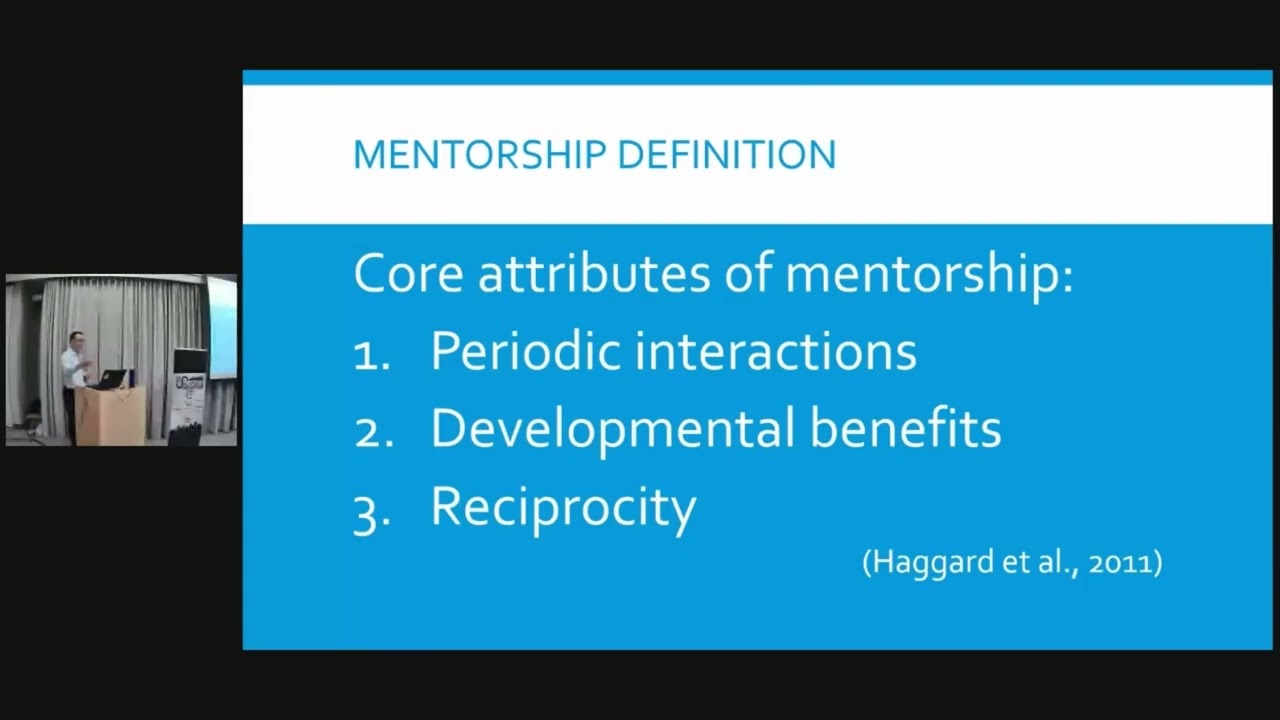
for collaboration operator speak between Academia and Industry so that we can get more people ready for the industry so uh there has been many definitions let's start off with definition there has been many definitions over the last 40 Years of blue mentorships if you look at the actual research papers almost every research paper will come up with their own nuanced working definition so that they can fit it into their research they have been doing however Hubbard at all um came up with uh sort of the Three core attributes of what good mentorship or what mentorship looks like in their 2011 study and so the first attribute is periodic interactions right so that just means that the mentee for Protege is there
sometimes called what should be meeting with mentors on regular basis right I think this is fairly common this uh this attribute is common with coaching as well but there is a big difference between coaching and mentorship the second attribute is developmental benefits right so the the people that are doing the mentorship that are part of the program need to get something out of it otherwise they are not going to do it right and the third one which is probably the most surprising and makes the mentorship stand up from the others is the reversive process right and there is lots of people that do not realize that mentorship is about those relationship where both parties benefit
it's not about you passing on the skills it's about yourself as industry getting better at relationships professional relationships um getting better at social skills and others we'll come back to this because there are some very important benefits to Industry as well besides the fact that we are trying to film the skill Gap okay so the reciprocity keep that in mind uh the relationship needs to be and is by nature reciprocal uh what so in 2014 study a linger collaborated that um foreign who are the mentors right they they explain who the mentors are you know they talk about peers and supervisors senior leaders Etc in the past mentorship was mostly thought of as within one company
right so this was called internal mentorship over the last 10 or 15 years we have expanded that to external mentorship which is in my mind a little more um common these days and very important aspect so we have you have a external versus internal sort of term that we'll be talking about in here um the when it comes to evidence from from the research there is no evidence pointing to one being better than the other on some of the other aspects of mentorship that we'll talk about there is evidence of selecting on only one that is more that is better to to both parties but when it comes to it strong versus internal it doesn't really matter right
whatever works for your company uh you should be you should be doing and um another categorical definition of mentorship is uh based on hierarchy so there you can have either here a couple mentorship or non-herical mentorship this is actually kind of important here implementership is when you have uh direct supervisor mentoring a junior member for example right mentorship would be something that the outside of this mentorship uh the two parties don't really have any relationship another important aspect that we'll come back to because uh that has to be selected properly which one you're right um when it comes to motivations because uh you can have an informal or formal mentorship so formal mentorship would be when it's prescribed
um uh informal is you know just think of it as picking up a coffee with someone right um there is a bit of a research that shows to um informal mentorship being more beneficial probably because with informal mentorship uh there is a degree of pressure that is put on people perhaps they don't really want to do it um it might affect the working relationship it might affect professional relationship and it can it can in uh in theory be very dangerous aspect of your work if you are if you're forced to do it as part of your duty right that we don't really want to do that right so there is uh definitely uh ciao at all in 1992 in their study they
uh they came to a conclusion that informal relationship your formal mentorship is has higher benefits um so um there are when it comes to formal um mentorships there are sort of a uh there are ways of ensuring that it's properly structured so we will again when I'm doing my proposal to Industry we'll come back to that because I look at it is I think there needs to be a bit of a motivation from industry as well to to encourage people to be part of the mentorship program but it needs to be so it would perhaps fall into the formal category but it needs to be properly structured we need to ensure that it does not go silent
okay so um what is mentoring actually improving why are we talking about this right except the fact that we are trying to you know attack that skill Gap what are we improving here what are the outcomes of the mentorship there are um so child in 1992 and candora they came up with sort of three main dimensions for mentorship uh and three main three main dimensions of what mentorship is um affecting some of the outcomes uh the first one so on both parties for for both the mentors and the mentees it's the benefit on in psychosocial Dimension is huge people are getting better at communication Peter the people are getting better at recognizing some of the uh some of the nuanced
um details in getting the job right uh talking to talking to um some so talk when you are working in the industry you need to be pretty good at communication creating reports Etc this is this would be your psychosocial um the uh and other parts of the psychosocial Dimension is like acceptance within workplace and coaching and counseling so these are these are all benefits for both parties the mentor and the mentee the second dimension is vocational dimension uh this is more of a specific to to the industry itself so for example uh the skill Gap itself in the Andrews um in in when Andrew was talking about the education this sort of fits into that how do we ensure that people coming
into the industry have the skills that they need we can address some of these questions to properly set up mentorship programs so that would be the vocational dimension and then finally role modeling so this will this is sort of a unique dimension of outcomes we're role modeling is more geared towards the actual mentors uh so people when they are included in a mentorship program as mentors they will improve in their inner role model type of as a role model for others within industry so positive outcomes to what the positive outcomes are within a mentorship because I think those are very important right to talk about positive outcomes there is plethora of outcomes that are positive
within the three dimensions that we just talked about um a child at all in 1982 found that these outcomes battle within three categories I know I'm I think we are having three categories in almost everything categories and subcategories but they are these are sort of a generic categories that positive outcomes fall into that we need to be cognizant of the first one is the organizational socialization I think this is this is very important aspect you may have seen people and I have seen it in in the industry where people coming in brand new walk into the work and they don't know what to do because they never had a job some of these are students that are 20
21 years old and never had a garden or this could be somebody who uh spent 25 years in different industry they walk into a cyber security company and it's the culture is completely different it is extremely important if especially if you want to keep these people it's really important for them to feel comfortable you know to ensure that they navigate through these social issues within organization in in proper way so that they are provided enough information necessary for them to adjust to new environment so that would be the organizational socialization um we found that this is a huge part of positive outcome for people when they found mentors whether they are students or people from
other industry uh through this mentorship relationship they were able to acclimate a new work environment much much faster the second positive outcomes which is now more geared towards mentors is the job satisfaction so the the Research indicates that the overall job satisfaction of mentors and mentees was found to be much much higher in people that were part of the mentorship program than their counterparts so people were actually proud of the fact that they are mentoring somebody here that they are helping people from outside to acclimation to the new industry um and this one is sort of surprising to me this one uh this might be the third one might be surprising to you as well
but it has been through research it has been shown that the cell phone salary range or salary as an outcome was another positive outcome of mentorship where people that were part of mentorship programs over the longer periods of time ended up higher on a pay scale because they had more opportunities to network they had more opportunities to improve their social skills they had more opportunities for uh for promotions Etc right so so there is definitely a positive outcomes for mentors as well and the salary scale has been proven to be one of one of the major ones negative outcomes we do have to talk about negative outcomes because uh if we want to propose a program if we
want to propose a relationship where we will create together a mentorship program we need to be cognizant of these negative as well uh especially there is a there there's this term called dysfunctional so sometimes the mentorship relationship can go sideways and uh you know it's not a lot in matter it can it can completely Fall Apart this was mostly tied to formal mentorship uh and a big part of it is because people uh again when they are forced to do or prescribed to do something and they don't have other options they uh you know the the relationship might not as an example of uh dysfunctional mentorship is comes from sort of an Academia but obviously there is lots of in that
there's lots of Industry related examples as well that especially in Academia let's say you have a um professor at University who is your direct supervisor they are also feeling a role as your mentor if that relationship doesn't work out that can affect your whole career for the rest of your life so we have to be careful about dysfunctional relationships and if we are proposing or if we do create a formal mentorship program there has to be ways out for people because sometimes relationships do not work out and we have to ensure that people do have options
it can be said about the actual industry you know within the cyber security industry you may have uh you may be mentored by your direct supervisor is that direct supervisor doesn't like you based on uh not skills based on or based on things that are not directly related to your duties that might still affect your future within a company and that's that's a that's sort of a sad um so some of the negative outcomes themselves can be stuff like soft uh low self-esteem physical withdrawal from workplace and absenteeism which are which are big ones that they need to be good uh that we need to recognize even within our colleagues for peer mentorship [Music] now is typically a academic professional
relationship this is near peer mentorship is sort of an interesting term here where uh it is really meant for people that are above the same age are mentoring people other students for example right we are within Academia some of us are even with an industry um students for example that are six months ahead of the others or of the other uh they can mentor them on how to navigate the America but this absolutely translates to Industry as well let's say you as a company maybe have a new hire and they are 21 years old they just came from college or just graduated University and they are doing fantastic maybe you will encourage them to become
mentors for somebody who is coming in a year or two after them right that will boost their morale that will improve their relationship the working relationship and they will have all these positive outcomes and that would be considered a mere pure mentor right so the um Edgecomb at all in 2010 defined the near peer mentorship and they found it to be very beneficial because now you're getting rid of the hierarchy you know you're getting rid of the structure these people maybe if there are colds in age they may be much closer in commonalities in what they talk about Etc right so so definitely a positive outcome if you can have near peer mentorship uh so let's talk about setting because
this is sort of a controversial topic a little bit maybe uh and setting what I'm talking about here is online versus face-to-face and this is not just for mentorship this is for any educational environment you know some people will think that or will will say that face to face is better while some people will stay online is better it's neither and it's both so um uh there's definitely advantages to to both but when it comes to a mentoring some of the advantages were accessibility and flexibility so you now can have talked you can meet your Mentor or you can meet your mentee it doesn't matter where you're going you could be on a vacation not that I encouraged you to talk to the
government please on vacation necessarily but maybe you know maybe you will I don't know maybe that's that's something that you will like but um you could be traveling to Toronto you can still have that quick five-minute talk to check up on them or page right when it comes to disadvantages there could be occupation and comfort with technology we are all within technological Realm but there are still people that are not feeling comfortable with it so where we are getting today here is that some of these uh some of these disadvantages some of these negative outcomes can be addressed and they can be addressed through policies right so we can actually create a program that fits most of the people most of the time
and e-mentoring is is one of those things so but I will Circle back to that okay um last sort of term that I want to that I want to talk about is the is the workplace mentorship so this this is within the actual workplace where it may have to be a formal type of mentorship right where you are actually prescribed you it is part of your duties um so IBM Dupre in 2022 they have taught in their in their research they have talked about and some of the issues that we need to conserve when it comes to workplace mentorship um so some of those are ethical considerations Andrew talked about ethics a little bit and maybe we can have a bit of
discussion about ethics afterwards here um but that's that's something that we need to consider equity and equal access so people when you have mentorship programs you should share that everybody has access to it whether that's on a mentor side or mentee side uh the next the hierarchical structures within the workplace would have to be very careful about how we how we pair up the mentors with mentees uh to ensure that it does not go this does not become dysfunctional it it really can ruin somebody's life if if they get paired up with a mentor that can affect their future within company or within industry that's that's something we have to do we have to be careful about
uh and to you know to to sort of uh address these we need to have policies in place to ensure that mentorship is mentorship
part of this uh presentation but I wanted to get those terms out of the way so to summarize Informer
this is in place that that allow people to change to face to face and then um policies can minimize changes or chances of this functional online version and so the um I am I'm not going to say that I'm a big fan of policies I don't think anybody really is even if they do say that uh but but it's not so much about policies it's about thinking about how this is true right uh the end goal here is to to create benefits to both the industry and depend outside of the industry and unfortunately sometimes we do need the policies uh comes so for the summary going back to some positive outcomes that can include upward Mobility especially for mentors
uh that recognition within a company is there it has been proven to work that it is beneficial for Upward probability to be part of the mentorship program as a mentor performance has been shown as another positive outcome for uh for the mentors and salary promotion salary promotions should all be watching this or is it in Industry to be watching this this hey this is proven through research that people that is opens up doors for people not just on a messy side but on the Metro side as well um and on the organizational socialization which is navigating the the you know the environment listen other benefits can include like enhanced commitment from from both from from
people that are already working in the industry uh job satisfaction has been shown to be one of the positive outcomes and reduce to our turnover and work family conflict and register reduced work reduced work family conflict and re-abian Nations I just noticed that I should have put that in there um but these are harder to to measure Within uh research okay the proposal now let's get to the actual design of the presentation and maybe not as structure um I am awful for collaboration between industry and Academia between or outside of the industries and um I think collaboration and publication can be a wonderful thing together as a social creature is together we'll accomplish more than everybody by
themselves I know that some of these things that I talked about already happening I'm fully aware of it I'll be uh we do have we do have students reaching out to Industry they go out for coffee this is this is already happening we do have most of the post-secondary institutions in Alberta already have what is known as a work integrated learning so we do have co-ops we do have students going into industry and working over the summer helping out this is all part of the larger framework
there is four layers to this okay I know I keep coming back to these numbers three and four but this has sort of a this proposal has four layers um we should be looking at multisaster approach setting should be flexible um it should be happening over sustained time so let's commit to this if you're going to do this and we should be sharing the governance of this between Academia and the industry so these Dimensions multi-semester approach we know that uh these relationships need to be fostered over a longer period of time three months is not enough three months to create a good to really get to know somebody is not enough we should be looking at two three four
five semesters two years if you're dealing with uh University students it should be the mentorship program should be affecting them throughout the whole five four or five years whatever they choose this longer extended period of time for a mentorship program will have will help companies to know if the student is ready to come into industry this is not only for students this is for you as well and this is one of the things that will help uh that will help um bring in challenge into the industry that is ready for individual that is ready to jump in and work because that's that's all a good moment right that's that's what we are offering um so it should be it should be a
multi-year event um settings like we should be allowing both proteins and mentors to select face to face online it doesn't matter two companies should not matter and they should be able to start what they what works for them and perhaps in a lot of perhaps we should be allowing people to choose at moment's notice right maybe today you are choosing to do face to face because that works you are downtown both of you are downtown so you can go grab coffee a month from now that may not work so we will choose to have an online meeting um sustained time commitment again if we are going to do this collectively industry and Academia industry and other
Industries whatever the mentorship program may be we should be commenting to us we are talking here about people's careers we are talking about uh um extending these relationships and together ensuring that we do have enough industry right finally shared governance so I I think I'll be going through some of the points that I think that um both industry and Academia should be implementing into their programs um but we should be looking at both uh both sides right it's not just about Academia pushing the students into the into the uh industry because that could be sometimes uh not ideal but industry Park is looking at uh at contributing to these programs as well and again the intentionality of it
so when it comes to uh processes for academic partners management of the communication uh recipient of quotation is at any stage so the you know if somebody starts Year One or a year two it doesn't matter when they are within the within the atomic progression they should be able to select or become become part of the programmer include inclusion of the reflection feedback and adjustments we want to be able to Pivot if needs if something changes uh we need to be able to adjust these policies and on a small scale uh prevention of dysfunctional engagement is very important this could be done through policies again to ensure that we do not damage somebody's carriers because it
can happen and accessibility diversity and Equity should be uh for the for the industrial partners um management of the communication just like uh with the with the Academia recruitment of mentors from various departments it's not only about yeah the technicians themselves it's about everybody uh mentorship program on every level with family industry um inclusion of reflection feedback just like before prevention of dysfunctional engagement and follow for cloud for appropriate time allocated intuitive process right so so again I think big part of of the problem for any formal mentorship is that people within industry are not allowed to have time we all know that we don't have enough time we are all out of time on daily basis
so if there is going to be a mentorship program there it needs to be the time needs to be available
okay um before I finish this up and do a you know I I think you've seen me you you know where I'm going with this really what I'm trying to do here is create an understanding and awareness for everybody that this is this is bigger than individuals uh meant goodly or well created well-created mentorship program can address some of these issues both the industry side and the the student side or people coming in to Industry outside
important integrated learning framework already created already structured please don't hesitate to reach out to them they're more than happy to help you finding good students finding students that are willing to jump in and this goes through this goes to students as well I don't I hope this is not taken as I'm saying that uh students are not good I think students need opportunities to grow to be ready get into the industry and through mentorship programs we can have these we can create these opportunities uh so University of Calgary Valley College and Mount Royal all have work integrated learning that you can reach out to and then when it comes to Sage you can either reach myself
or talk to Jessica Egger who is the academic chair for the information system security program or Autumn Hines who is working created learning program here we'll all be very happy to to help out with establishing program like that there is another option that you can have and that's 10 000 copies.com I'm not sure if you've seen this before but this is a platform for mentorship so anyone on the industry in the industry can sign up for it and um you know start creating some of these relationships I think most of the institutions in Canada are already on this platform so if you want to make it quick and simple you can sign up there Okay so
now I would like to sorry that was my I don't know my presentation but here's what I'm going to tell you here's why I really believe that mentorship program can address some of these issues I know I have said that certifications might not be the way to to to to go when it comes to finding uh finding people that are entering the industry and I truly believe certifications fantastic I've done my I've done certifications I think they are more structured for people that already have but or do you want somebody who wants to work we all started sour and I think through mentorship programs even if it is not a properly created program for your company even if you as
a as somebody who has been in industry for 10 15 20 25 years just reach out to people it can help you see who is eager will be a good fit versus somebody who um who doesn't who is only going for certification because they know that it will get and this goes to students as well this goes to people on the other side as well to focus on some reaching out to be to Industry Partners focus on talking to them and show your enthusiasm because those people are much more successful than somebody who is Budapest okay thank you very much
Related talks
 50:04
50:04 53:36
53:36 59:46
59:46 50:00
50:00 24:52
24:52 57:38
57:38