Raising the Bar: The Next Evolution of Physical Penetration Testing and Why It Matters Now
About this talk
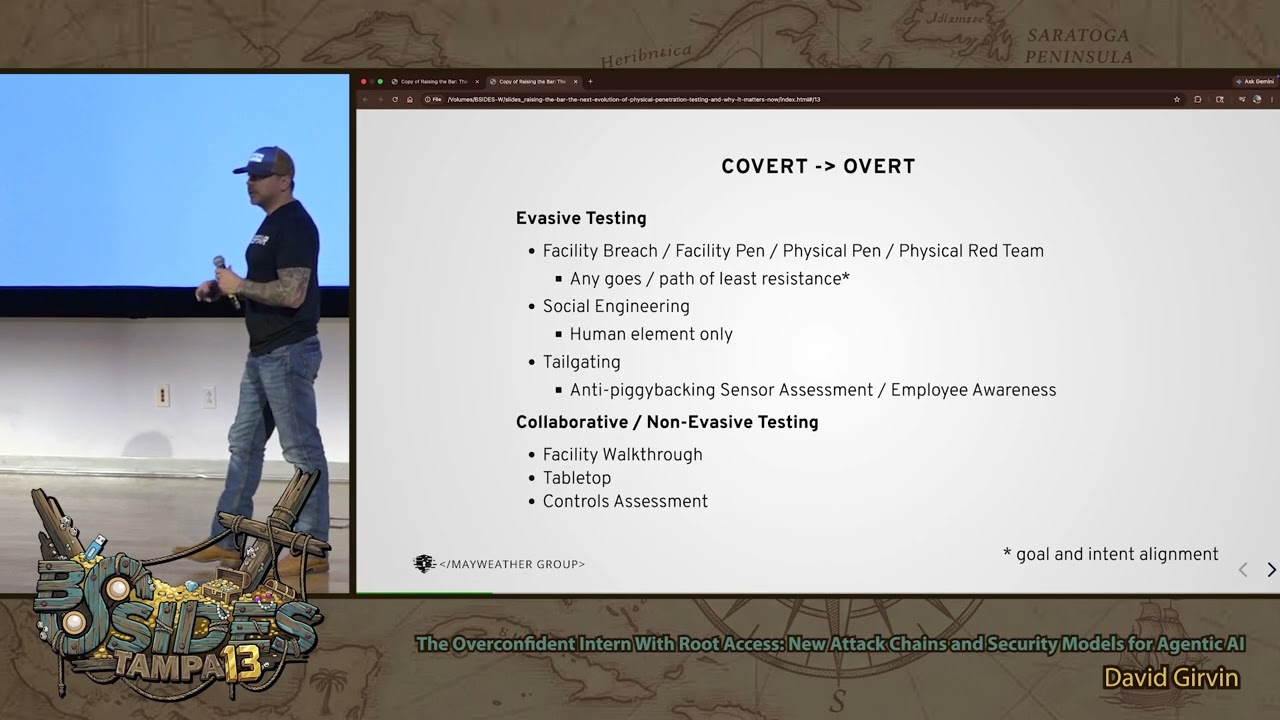
Raising the Bar: The Next Evolution of Physical Penetration Testing and Why It Matters Now by Travis Weathers Physical penetration testing is at a crossroads. While violence in workplaces, schools, campuses, and houses of worship continues to rise, much of the physical security industry is still operating with outdated tactics, shallow assessments, and tooling that has not meaningfully evolved in over a decade. Tailgates are still passed off as full engagements. Checklists are confused with risk analysis. Reports remain disconnected from how facilities actually fail and how people actually get hurt. This talk argues that the current state of physical penetration testing is no longer just inefficient. It is dangerous. We will explore why physical security assessments must evolve beyond performative testing and move toward disciplined, operationally grounded delivery that reflects real-world threat models. That evolution requires more than better reporting. It requires stronger methodology, better tooling, and tighter integration between data collection, analysis, and decision-making. The session will examine how modern physical penetration testing can be improved through intentional tooling design and increased operational discipline in the field. We will discuss how reducing friction during engagements and improving data handling practices directly impacts assessment quality and credibility. The talk will also explore how capturing the right data throughout an engagement, including access control behavior, geographic operational context, and structured project documentation, enables assessors to tell a clear and accurate story of how a facility was tested, how it failed, and why the findings matter to the client. Most importantly, this talk will address the ethical responsibility of physical security professionals. When assessments are shallow or misrepresented, organizations make decisions based on false confidence. In environments where lives are at stake, those failures have real consequences.
Related talks
 47:39
Mastering Android Security Research: A Guide for the Modern Security Researcher
BSides Tampa · 2024
 47:03
Another Round On The Treadmill by @_JohnHammond
BSides Tampa · 2025
 51:22
The No BS SOC Story
BSides Tampa · 2024
 43:03
Social Engineerios: How AI Changes (and Doesn't Change) Social Engineering
BSides Tampa · 2026
 34:47
Weaponizing Vtables: Detection Engineering for Kernel-Space Exploits in macOS by Olivia Gallucci
BSides Tampa
 41:58
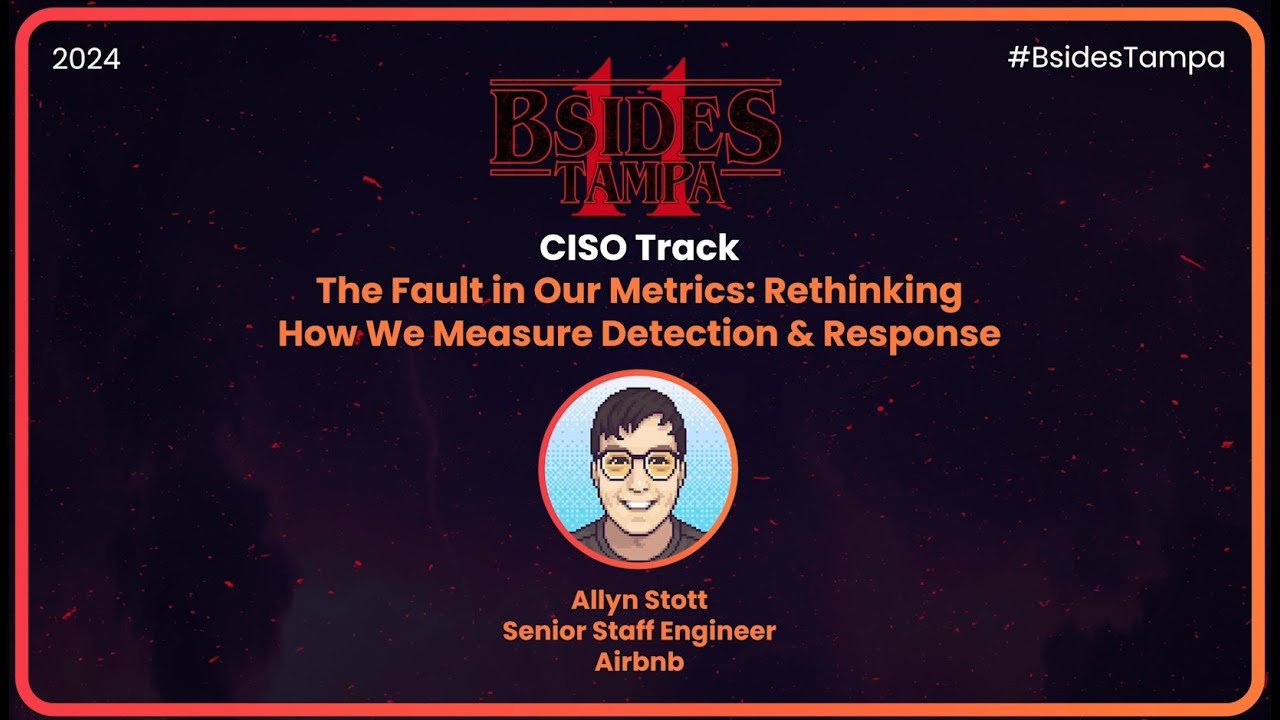
The Fault in Our Metrics: Rethinking How We Measure Detection & Response by Allyn Stott
BSides Tampa